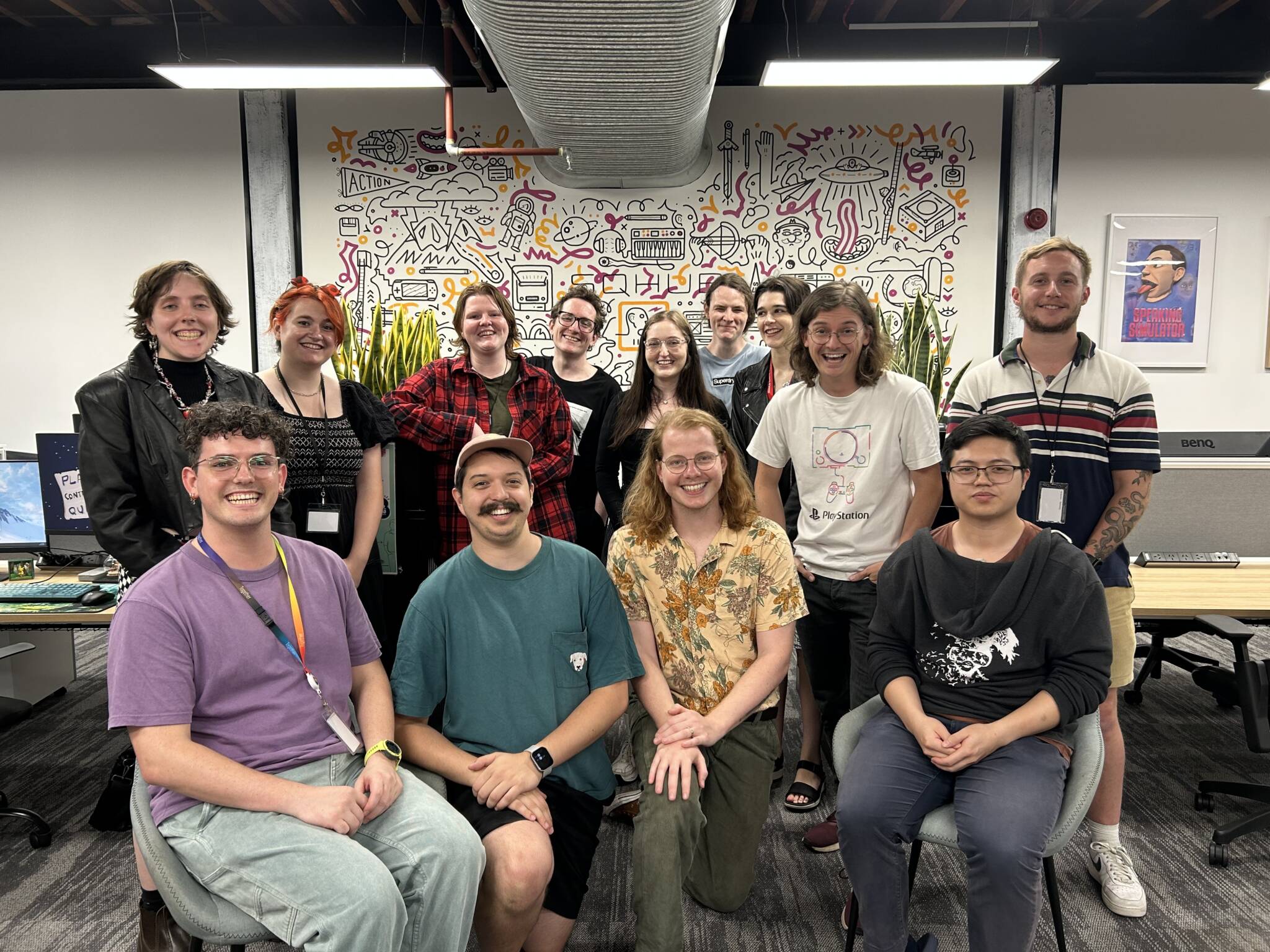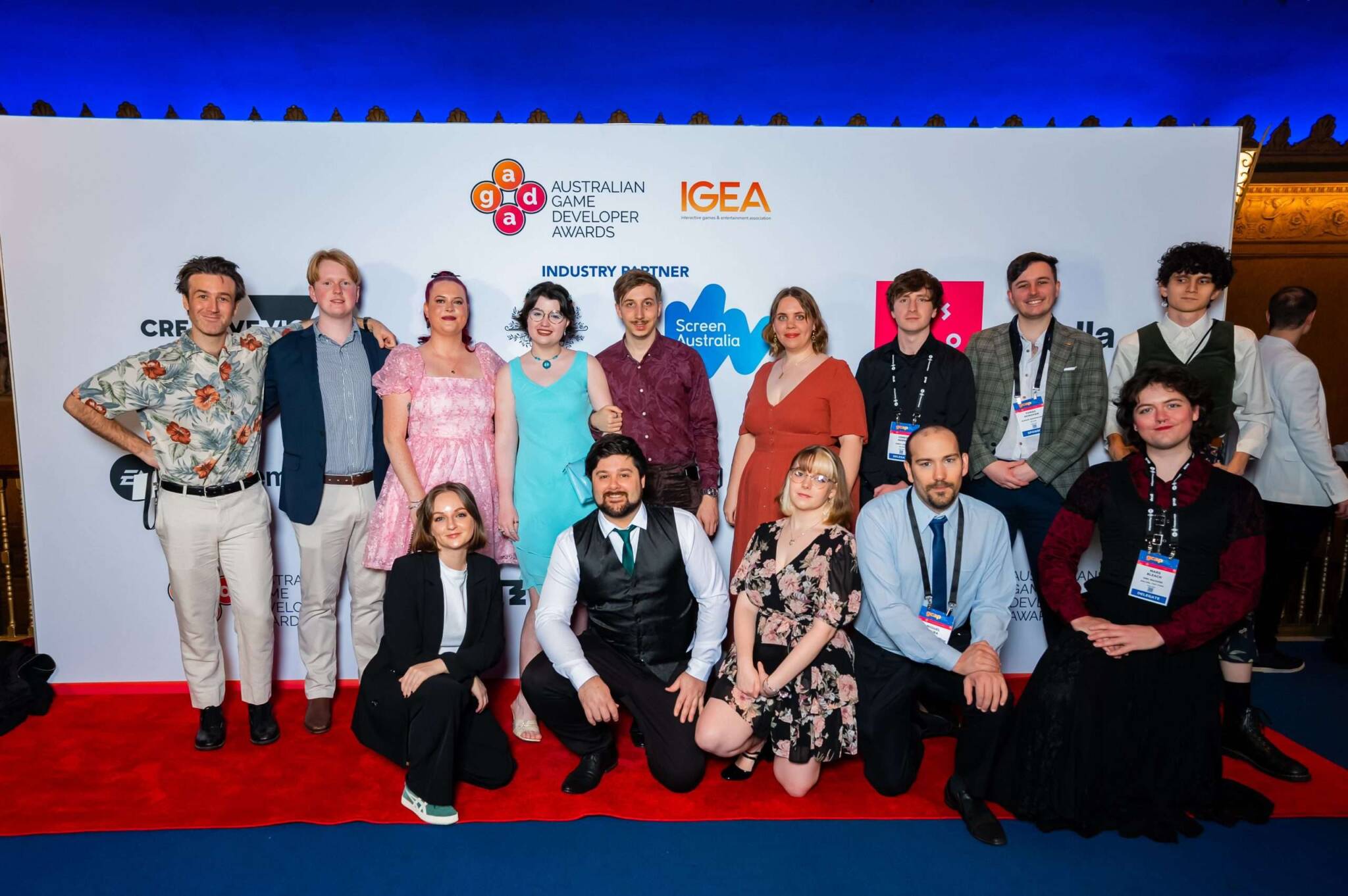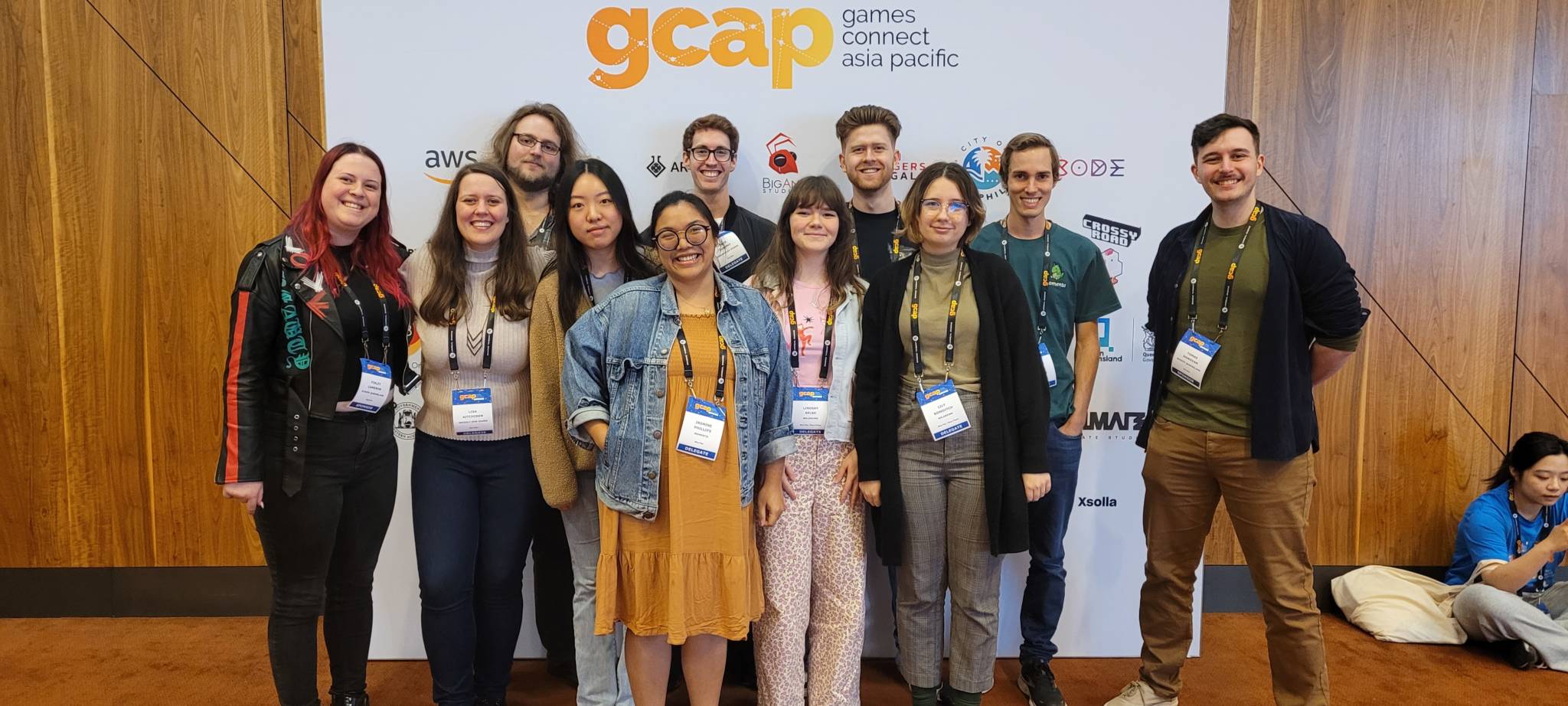

Screen Queensland’s Games Residency is a year-long program for game developers, focused on developing the skills and knowledge required to develop new games and games studios.
The residency program is run in partnership with Workforce Australia Self-Employment Assistance provider Birdifi Bridge, with participants provided with co-working space, access to leading industry experts, business mentoring and income support.
Additionally, to support a full development pathway from incubation to success, games developed within the Screen Queensland Games Residency program that can demonstrate strong market demand are eligible to apply for an additional investment funding from Screen Queensland.
Applications for the 2026 Games Residency cohort closed on Tuesday 11 November
GUIDELINES
WHAT IS THE SCREEN QUEENSLAND GAMES RESIDENCY?
The Games Residency is a 52-week program for games developers, focused on developing the skills and knowledge required to develop new games, games studios and businesses in the digital games sector. Participants will be provided with co-working space, access to leading industry experts, business mentoring and income support payments (if eligible for Self-Employment Allowance).
The Games Residency operates in the style of an Artist-In-Residence program. Typically, these programs provide office space, industry expertise, and funding for artists to create work.
Screen Queensland will support selected participants with:
- 39 weeks of permanent office space in Screen Queensland’s SQhub space in Teneriffe to operate as a games studio
- an additional 11 weeks of casual space at the SQhub to facilitate transition from the residency
- regular meetings with games industry leaders to provide feedback and mentorship to residents
- access to Screen Queensland’s Games Coordinator for industry guidance
- an industry launch event to celebrate the games created by residents.
Early in the program, participants engage in prototyping exercises and are supported in forming teams. Residents are encouraged to start new projects using their expanded business skills, although each participant will ultimately choose how they engage with the Residency to develop their business.
The Games Residency program is designed in collaboration with Birdifi Bridge, a Workforce Australia Self-Employment Assistance provider. The Self-Employment Assistance program helps eligible participants become financially independent through their own small business. As part of the residency, Birdifi Bridge will provide:
- 12 months Small Business Coaching from a dedicated business mentor
- Self-Employment Allowance payments for up to 39 weeks, and Rental Assistance for up to 26 weeks (if eligible). Noting that all income support and rental assistance payments are paid as part of the Self-Employment Assistance program and subject to the eligibility and ongoing requirements of Workforce Australia.
Birdifi Bridge also provides participants with access to a range of additional complimentary accelerator services such as networking and additional learning to support the self-employment journey.
Please note that while residents will have access to the SQhub space (including all the typical features of a co-working space), participants must provide their own development computers and equipment.
WHO CAN APPLY?
To be eligible for the Games Residency, applicants must:
- be a Queensland resident according to Screen Queensland’s definition.
- not currently be employed full-time by a games company
- be experienced with using software tools to contribute to the development of digital games
- available to participate in all shortlisting and onboarding processes
- meet the eligibility requirements for Workforce Australia Self-Employment Assistance Small Business Coaching
- meet the eligibility requirements for Self-Employment Allowance payments under the Small Business Coaching, or be able to self-support yourself during the period of the residency
Applicants with qualifications from relevant tertiary games courses are eligible but such qualifications are not a prerequisite to application.
Screen Queensland aims to include a selection of residents across skillsets including production, art, game design, and programming skills in the program. The residency program is open to people from all backgrounds. Screen Queensland encourages applications from Aboriginal and Torres Strait Islander people and people from all under-represented backgrounds.
Eligibility for Workforce Australia Self-Employment Assistance Small Business Coaching (excluding allowance)
To be eligible for Workforce Australia’s Self-Employment Assistance Small Business Coaching service delivered by Birdifi Bridge, applicants must:
- be at least 18 years of age
- not be prohibited by law from working in Australia
- not be an overseas visitor on a working holiday visa or an overseas student studying in Australia
- not be an undischarged bankrupt
- intend to develop a business in the games industry, and the business idea is assessed as viable and eligible by Birdifi Bridge
- have a business plan approved by Birdifi Bridge (you will be supported to develop a business plan as part of the residency onboarding process)
- intend to operate your business for the required hours each week (as identified in your Business Plan) for the duration of your participation in Small Business Coaching
- not have received Small Business Coaching in the past 12 months
- agree to enter into a Small Business Coaching Agreement.
Applicants who wish to receive Self-Employment Allowance and Rental Assistance whilst on Small Business Coaching will also need to meet the additional eligibility requirements for Self-Employment Allowance and Rental Assistance.
Eligibility for Self-Employment Allowance and Rental Assistance
To be eligible for Workforce Australia’s Self-Employment Allowance and continue getting Rental Assistance, applicants must:
- meet the eligibility requirements for Workforce Australia’s Self-Employment Assistance Small Business Coaching,
- be eligible to receive Income Support payments from Services Australia on the day before commencing Small Business Coaching. Eligible income support payments include (but are not limited to) JobSeeker, Youth Allowance, AusStudy, ABSTUDY, Disability Support Pension, Parenting Payment and Carers Payment.
- be eligible to receive Rental Assistance payments from Services Australia on the day before commencing Small Business Coaching.
In some instances, participants are able to transfer to Self-Employment Allowance after commencing Small Business Coaching. To do so, participants will need to satisfy Services Australia eligibility requirements for income support.
The Self-Employment Allowance is equal to the single, 22 or over, no children rate of JobSeeker payment. It is paid for up to 39 weeks from the commencement of Small Business Coaching. The rate of payment is not affected by the income from your game development business. You can receive income from outside your business (such as from other work or investments). However if your external income is greater than twice the basic rate of Self-Employment Allowance in a given financial quarter it will affect the amount of your payments.
Most participants in receipt of Income Support Payments will be required to transfer to Self-Employment Allowance upon commencement of their Small Business Coaching Agreement. However, participants may choose to remain on their current Income Support Payment in certain circumstances.
If participants are already receiving Rental Assistance payments on the day before they commence Small Business Coaching, they will continue to receive payments at the same rate (and subject to the same conditions) paid from Services Australia for up to 26 weeks.
For more details about Self-Employment Assistance, please refer to the websites of Workforce Australia or Birdifi Bridge.
Participation Requirements
To participate in the residency, participants must commit to:
- work from the SQHub for at least 60% of the week for the first 39 weeks of the residency (applicants may request flexibility in exceptional circumstances)
- participate in industry events and engage with other participants throughout the residency work to achieve your game development and business goals
- engage fully in the Self-Employment Assistance Small Business Coaching and meet these requirements.
Applicants should note that failure to meet participation requirements could result in cancellation of Residency and SQhub access.
Self-Employment Assistance Small Business Coaching Requirements
To participate in the Small Business Coaching, delivered by Birdifi Bridge, participants will be required to meet the requirements outlined in their Small Business Coaching Agreement, including:
- engaging with Birdifi Bridge throughout your participation in Small Business Coaching, including attending business mentoring every 8 weeks
- operate your business in accordance with your approved Business Plan (help to develop your business plan will be provided in the residency onboarding process)
- work the required hours in your business (as identified in your Business Plan)
- obtain and maintain appropriate business insurance for the duration of the 12 months coaching
- provide relevant financial information to Birdifi Bridge when required (at least quarterly)
- inform Birdifi Bridge of relevant changes to your circumstances.
Applicants should note that failure to meet these requirements could result in cancellation of your Small Business Coaching (and any payments afforded through the coaching) and in cancellation of participation in the residency and SQhub access.
WHAT DO I NEED TO APPLY?
Screen Queensland requires applicants to apply through SmartyGrants, providing the following:
- details about yourself and your engagement plans with the residency
- confirmation that you meet the eligibility requirements, including for Self-Employment Assistance (where applicable)
- your CV with a weblink to your portfolio
- a 250–300 word cover letter or video about yourself, detailing your game development skillset and how you plan to engage with the program
- two written references
Screen Queensland is committed to supporting the participation of applicants from under-represented groups. Please reach out to Screen Queensland if you would like to discuss adapting our application to be more accessible for you.
For regional applicants (those living more than 150km outside of the major metropolitan hubs of Brisbane and the City of Gold Coast) looking to participate in the program, Screen Queensland may be able to support you with modest relocation funding. Please reach out to our team to discuss your options.
KEY DATES AND ONBOARDING
Upon receipt of applications, Screen Queensland and Birdifi Bridge will review and shortlist applications. Shortlisted applicants will be required to participate in a 4-day workshop on ‘Exploring Self Employment in the Games Industry’. The purpose of the workshop is to help applicants:
- gain a better understanding of what’s involved when starting a business in the games industry
- generate and validate business ideas with potential commerciality within the games industry (ideas that can become businesses) to further develop
- make an informed decision as to whether self-employment in the games industry is right for them.
This workshop will be run in a hybrid online and face-to-face model. Applicants will be expected to participate in person for 3 of the days at the Birdifi Bridge Brisbane City office. Participants can expect homework during and immediately after the workshop.
Participants will be further assessed based on their participation in this workshop and offers of residency made at the conclusion of the workshop (offers are subject to successful completion of the Residency Onboarding process).
Successful applicants will be required to participate in a residency onboarding process where they will need to develop a Business Plan (and Cash Flow Forecast) and apply for Small Business Coaching. Successful completion of the Business Plan (and Cash Flow Forecast) is a requirement of acceptance in the Self-Employment Assistance Small Business Coaching program. Birdifi Bridge will support participants in the development of this business plan and application to the Small Business Coaching. Failure to meet these requirements will effect your ability to commence Small Business Coaching and participate in the residency.
The proposed dates for the 2026 Screen Queensland Games Residency program, including the application and onboarding activities are included in the table below and in the SmartyGrants application form. Whilst all efforts will be made to meet the expected dates, they may be subject to change.
| Onboarding Stage | Description | Date |
| Information Session | Online information session on the Games Residency covering application, onboarding and the 12-month residency | Tue 21 Oct 2025 |
| Application Deadline | Application requirements outlined above. | Tue 11 Nov 2025 |
| Shortlist Announcement | Screen Queensland will assess applicants and shortlist | Wed 26 Nov 2025 |
| Exploring Self-employment in the Games Industry workshop | This 4-day workshop for shortlisted applicants is designed to explore self-employment with shortlisted residents. Wednesday will be conducted online, all other days are in-person | Mon 1 Dec and Wed 3 – Fri 5 Dec 2025 |
| Final Residency Offer | The final selection of residents is completed and agreements are sent to successful applicants | Mon 8 Dec 2025 |
| Self-Employment Assistance Onboarding | Residents develop their business plan and cash flow forecast for review and approval by Birdifi Bridge. Complete application and sign agreement for Small Business Coaching | Business Plan due: Wed 10 Dec 2025 Application due: Mon 15 Dec 2025 |
| Access to SQhub | Residents are provided access to the SQhub co-working space to bump-in their equipment and use the space | Fri 19 Dec 2025 |
| Commence Residency | Residents develop games with the support of industry mentorship and Self-Employment Assistance business coaching | Mon 5 Jan 2026 |
| Full-time Residency Ends | Residents retain casual access to the SQ hub | Oct 2026 |
| Residency Ends | Residents support and access to the SQhub ceases | Dec 2026 |
GAMES RESIDENCY INVESTMENT SUPPORT
Screen Queensland Games Residency projects that can demonstrate strong potential for commercial market success and have successfully received Games Grants funding may be eligible for additional Investment funding. This fund offers up to $500,000 in exchange for a revenue share agreement with Screen Queensland.
Eligibility Criteria:
- Current and past residents: The fund is only available to current residents and alumni of the Screen Queensland Games Residency program.
- Games Grants approval: the applicant’s game must have been previously approved for the Screen Queensland Games Grants for a total of $100,000 or above.
Funding Details:
- Amount: Eligible projects can apply for investment funding of up to $500,000, in addition to grant funds received.
- Games Grants: For projects that have not yet received the maximum funding cap through the Games Grants program, approval for this investment fund will automatically allow projects to access up to the maximum $300,000 in addition to the investment. For clarity, Games Residency projects may now access a maximum of $300,000 from the Games Grants, plus up to $500,000 through this investment.
- Investment structure: In exchange for the investment, Screen Queensland will receive a revenue share from the sales and distribution of the game. Details of the deal will vary depending on project risk and investment amount and will be subject to independent market review. Applicants should reach out to the Games team to discuss prior to applying.
- Residency Access: Successful applicants will receive access to Screen Queensland’s SQhub co-working space until the launch of the game and for 2 months after.
Application and Assessment Processes
Alongside a game pitch deck, finance, and production plans, applicants must prove a strong market interest in the game.
Applications will be assessed on the following criteria:
- Market demand and sales potential: Wishlist data, social media performance metrics, press and media coverage, and other indicators of future success.
- Project: Strength of the unique selling point (USP), alignment to a target audience, innovation and quality of the game.
- Production: Quality of the business, marketing and production plans.
- Residency: Cultural fit within Games Residency space.
Applications are open year-round through the SmartyGrants portal.
Applications will be reviewed by a panel of external industry experts and Screen Queensland representatives.
It is encouraged that applicants reach out to the Screen Queensland games team to discuss the project prior to submitting.
Successful applicants will enter contracting with Screen Queensland.
FREQUENTLY ASKED QUESTIONS
Can I join the residency if I already have a job?
Eligibility for the Screen Queensland Games Residency requires applicants to be committed to working on their Games business for the required hours as a primary activity. Further, eligibility for funding through Self-Employment Allowances requires applicants be currently accessing, or eligible for, government funded Income Support (such as Jobseeker). If you are able to self-support your full participation in the residency, but you are not on Government income support, you may still be eligible for the program.
For more details about Self-Employment Assistance and your eligibility, please refer to the websites of Workforce Australia or Birdifi Bridge, or call Centrelink directly.
Who can be used as a written reference?
Written references can be provided by anyone who can speak to your character and/or work ethic—this could be a past teacher, past employer, friend or community member.
What should be included in the Business Details section?
Please provide a description of your business idea in 200 words or less, which may include leveraging your games skillset through contract work, a potential game idea, studio concept, target audience, platform and/or monetisation strategy.
If I create a game during my time at the residency, do I own the game?
Screen Queensland takes no ownership of your Intellectual Property. You own your work and any companies or businesses you create in this program.
Screen Queensland may publish content for promotional purposes only. Information about your project may be included in Queensland Government or Screen Queensland press releases and/or Screen Queensland’s digital channels. This information may include project name, genre and synopsis, names and past credits of individuals comprising the key creative team.
CURRENT RESIDENTS
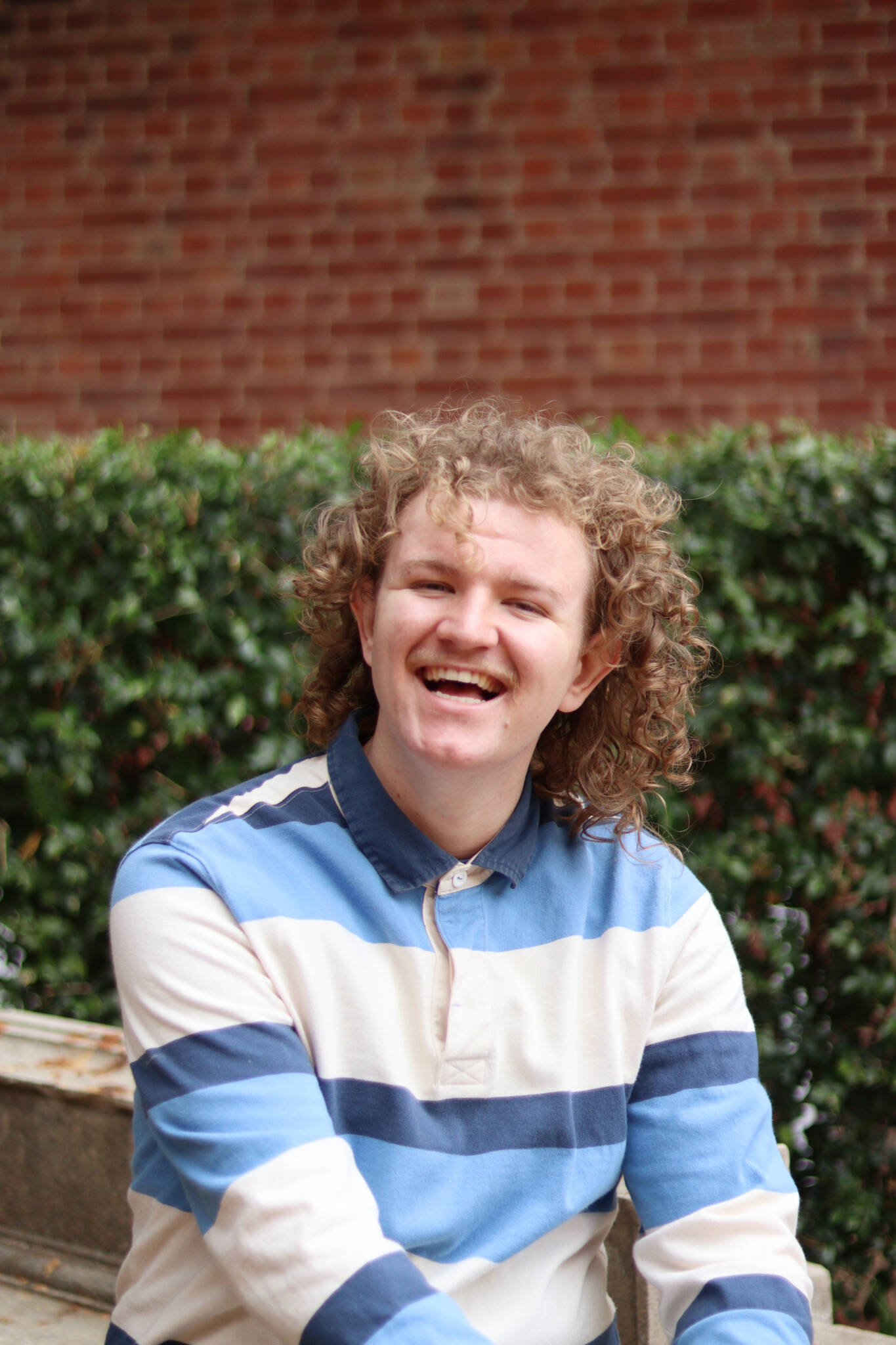
Charlie Bean
he/they
2D and 3D Art, Production, Marketing
Charlie Bean is a bubbly game developer with over 6 years of experience specialising in 2D and 3D character art, game production and marketing. He began selling his own art merchandise at Brisbane Supernova 2018, at the age of sixteen. During COVID, he pivoted into building game maps for commission on Roblox uncovering his passion for game development. After being accepted into the Roblox UGC Program in 2022, he has sold over 2 million virtual cosmetics and grown and audience of over 13,000 on TikTok through his cutesy, Y2K-inspired brand, CWUTEY. Originally from the small coastal town of Hideaway Bay in the Whitsundays, Charlie relocated to Brisbane in 2022 to complete his Bachelor of Games and Interactive Environments (BGIE) at QUT, gaining experience in Unity and Unreal. During his studies, he collaborated with Banijay NXT to ship Big Brother Simulator for a Netherlands release, reaching over 100,000 plays at launch. After completing his studies in New York at Rensselaer Polytechnic Institute in 2025, Charlie is beyond excited to join Screen Queensland’s 2026 Games Residency cohort and develop new games in the heart of Brisbane.
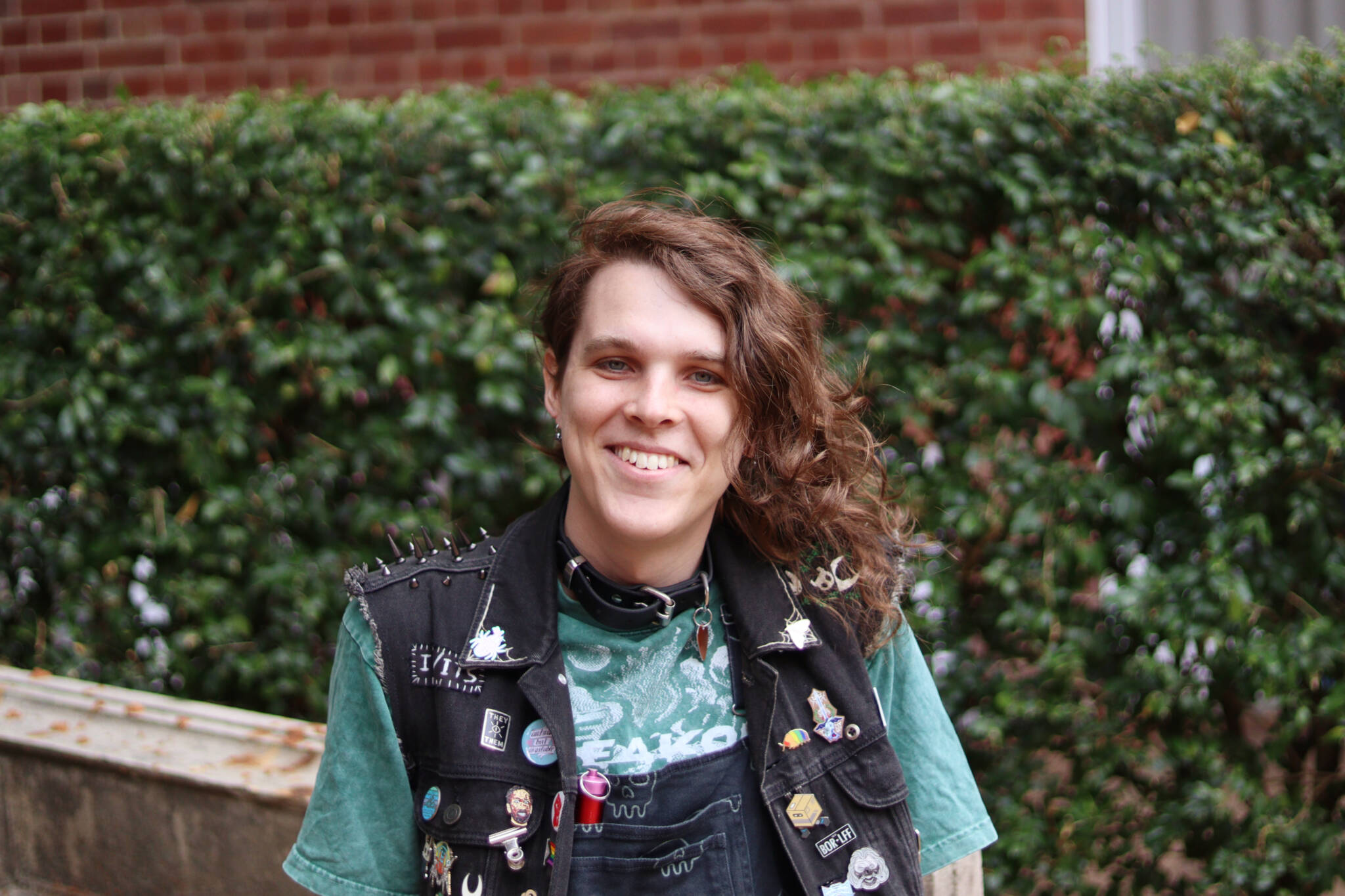
Junebug Seymour
she/it/they
Design, Level Design
Junebug is an award-winning game designer with 6 years of professional game development experience. While its primary skill lies in level design, having been invited to talk at GDC 2023 about its level design on Webbed, she is also experienced in the fields of general game design, sound design, narrative and programming. They have been passionate about making games for more than half their life and continue to be excited about the many ways that games can connect with people.
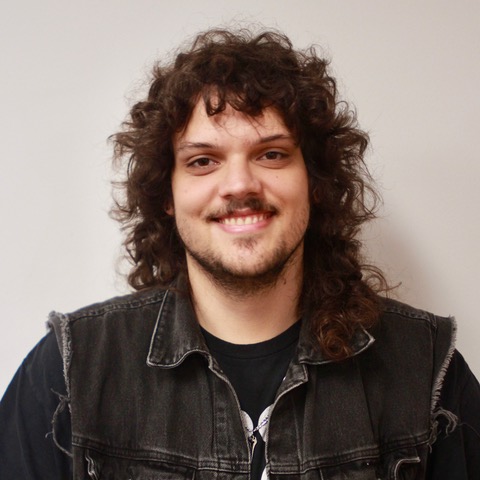
Owen Loakes
he/him
Production, Design, 3D Art
Owen Loakes is the Studio Head and Founder of Cosmic Black Studios, a Brisbane-based indie game studio creating immersive, artist-led experiences and original Australian-owned IP. He holds a Bachelor of Games Design and a Bachelor of Cinematic Arts (Honours) from Griffith Film School, where his practice-led research explored indie game studio formation and sustainable creative production. His experience spans virtual production, 3D art and Unreal Engine development across collaborative and independent projects.
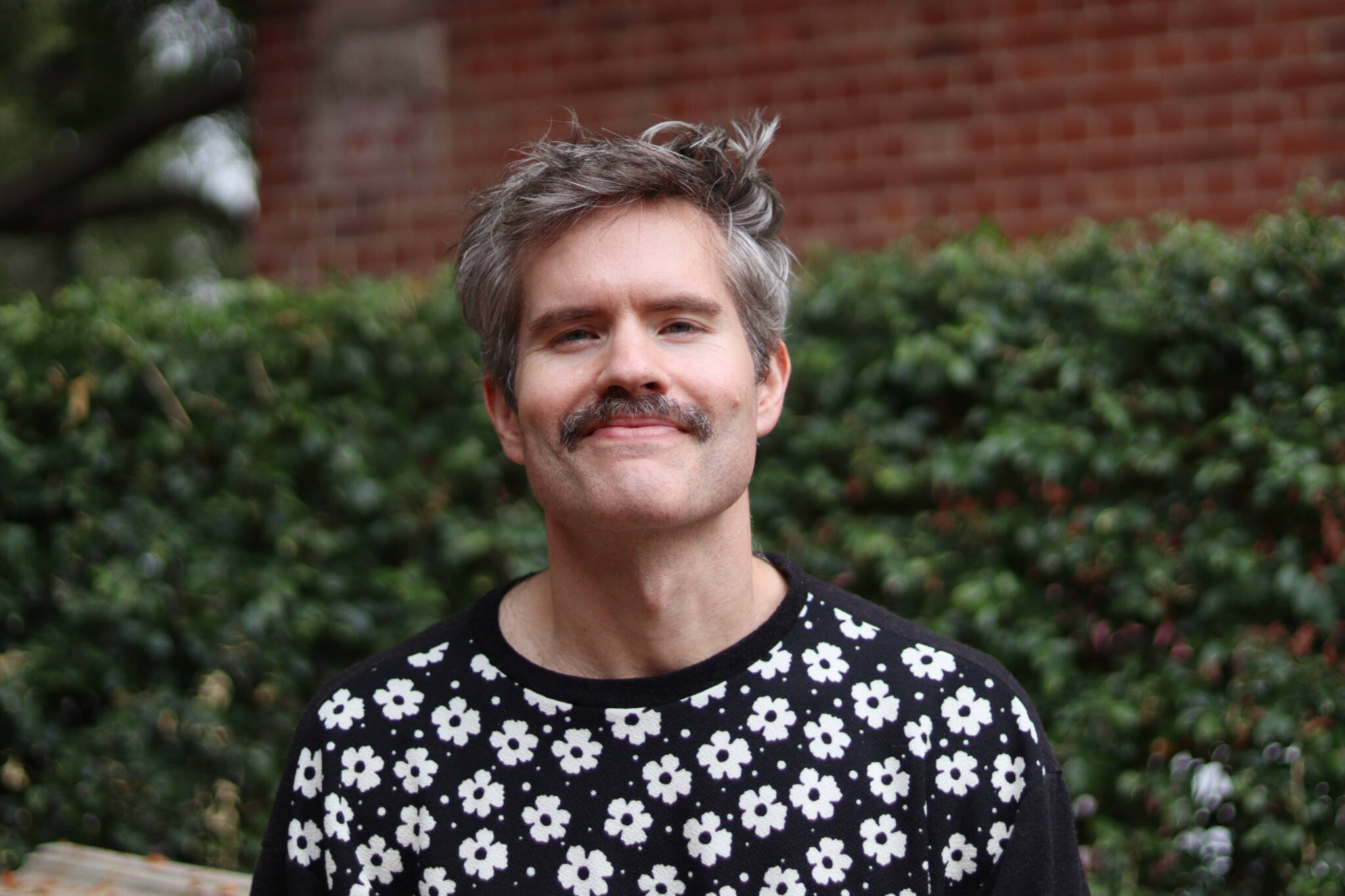
Scott Ford
he/him
Art, Story
Scott Ford is a games maker from Brisbane. He is the Co-Founder of Fuzzy Ghost Studio, makers of the IGF-nominated Queer Man Peering Into A Rockpool.jpg and the Screen Queensland-supported game Janet DeMornay is a Slumlord (and a witch). His work uses absurdity and humour to explore themes such as memory, queer identity and digital media. Before making games, he worked as a commercial animator, bookseller and film reviewer. He holds a Bachelor of Fine Arts (Film and Television) from the Queensland University of Technology.
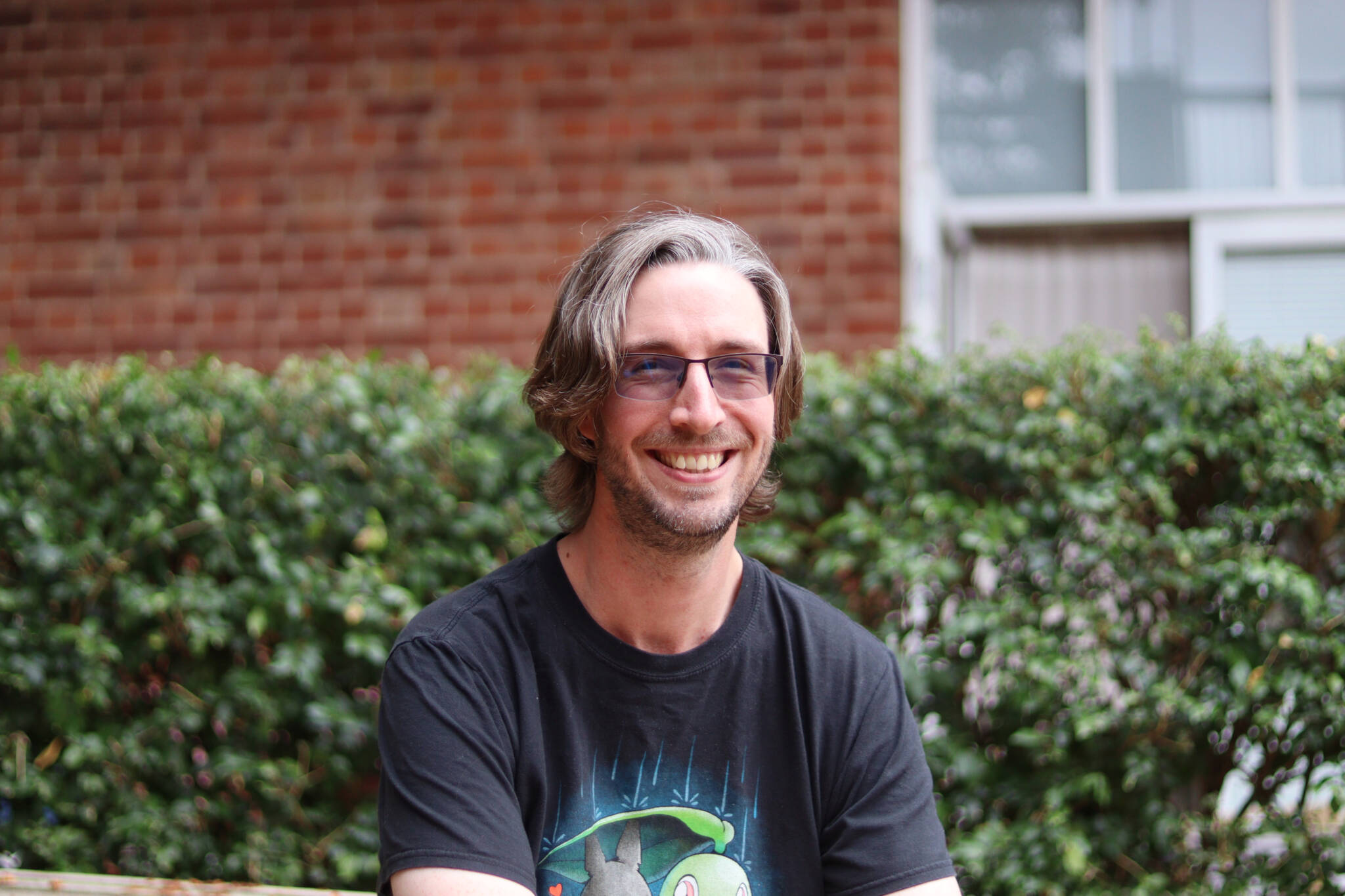
James Giles
he/him
Animation
James studied game design and animation at QANTM College in 2006 and has worked primarily as a 3D animator ever since. His published titles include Assassin’s Creed (Valhalla, Origins, Syndicate and Unity), Ski Safari 2, and various iterations of Trainz Simulator. He has experience rigging, skinning and animating, with a specialty in motion captured animations. He also enjoys game design and setting up the logic for state machines, scripted events and branching dialogue. Recently returned from 10 years in Montreal, Canada, he has been taking care of his wife and two young daughters and is keen to get back to collaborating on new and exciting game projects.
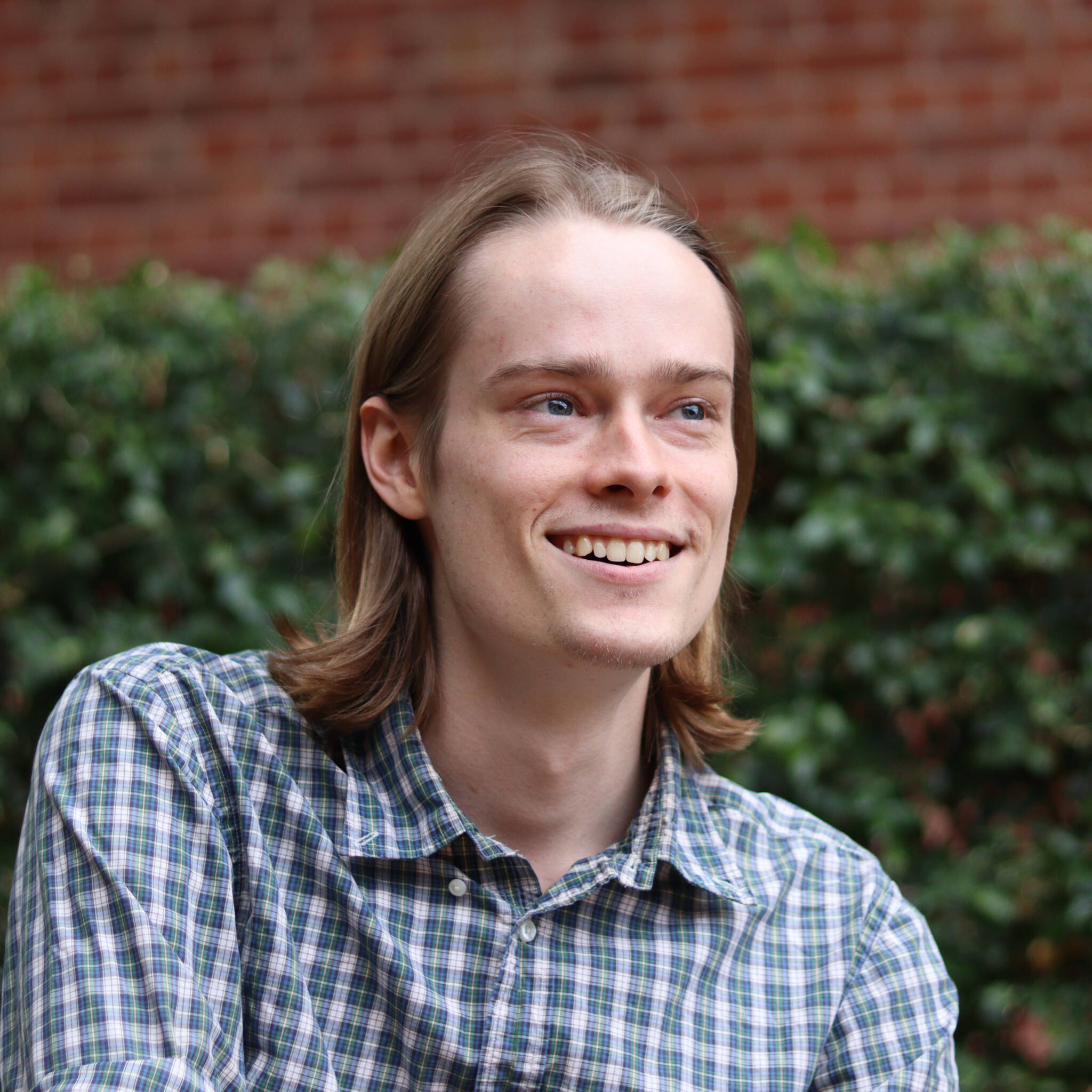
Kaelin Stemmler
he/him
Composition, Sound Design
Kaelin is a composer, sound designer and multi-instrumentalist who was pulled into the world of games design by his passion for repairing old game consoles. He has spent the past five years working on games, films and animations with a particular love for obsolete systems such as the Gameboy and Nintendo 64. Outside of games, he has been a resident with Vermilion Records, performs in several traditions of folk music and is currently learning to play the button accordion.
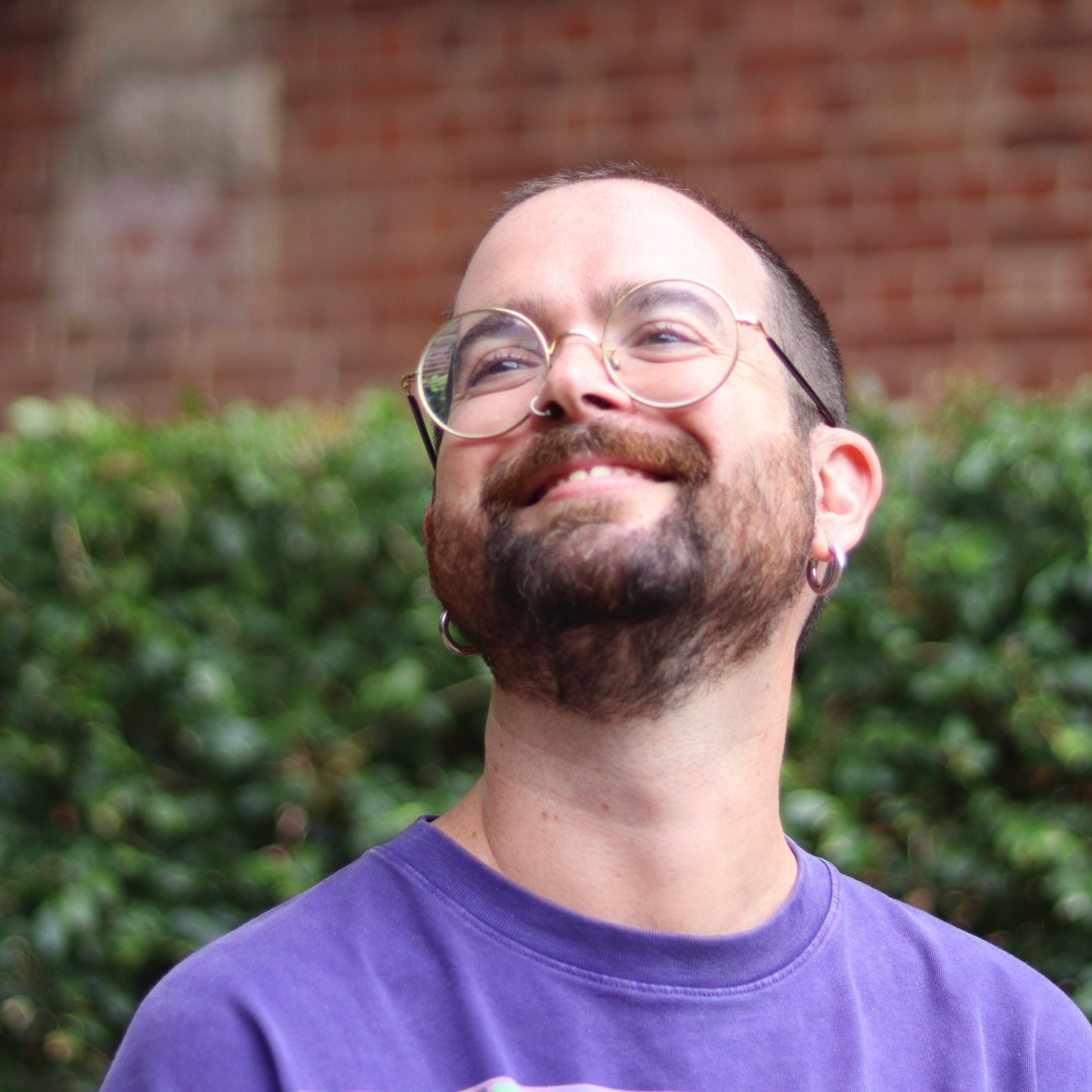
Pete Foley
he/him/any
Game Direction, Concept, Programming, Design
Pete is one half of Fuzzy Ghost—an indie duo which creates narrative-driven games that are bold, colourful, joyful, very Australian and very queer. Their first two games, Pebble Witch and Queer Man Peering Into A Rockpool.jpg, were both nominated for the AGDA Excellence in Emerging Game award, with Queer Man Peering winning the award in 2022. The game was acquired by the Powerhouse Museum for their permanent collection in 2023, was nominated for the IGF Nuovo Award and won the Freeplay Award in 2024. The pair are currently working on a satirical horror puzzle game about the Australian rental market called Janet DeMornay Is A Slumlord (and a witch), which is supported by Screen Queensland. Pete is also a member of the Freeplay board.
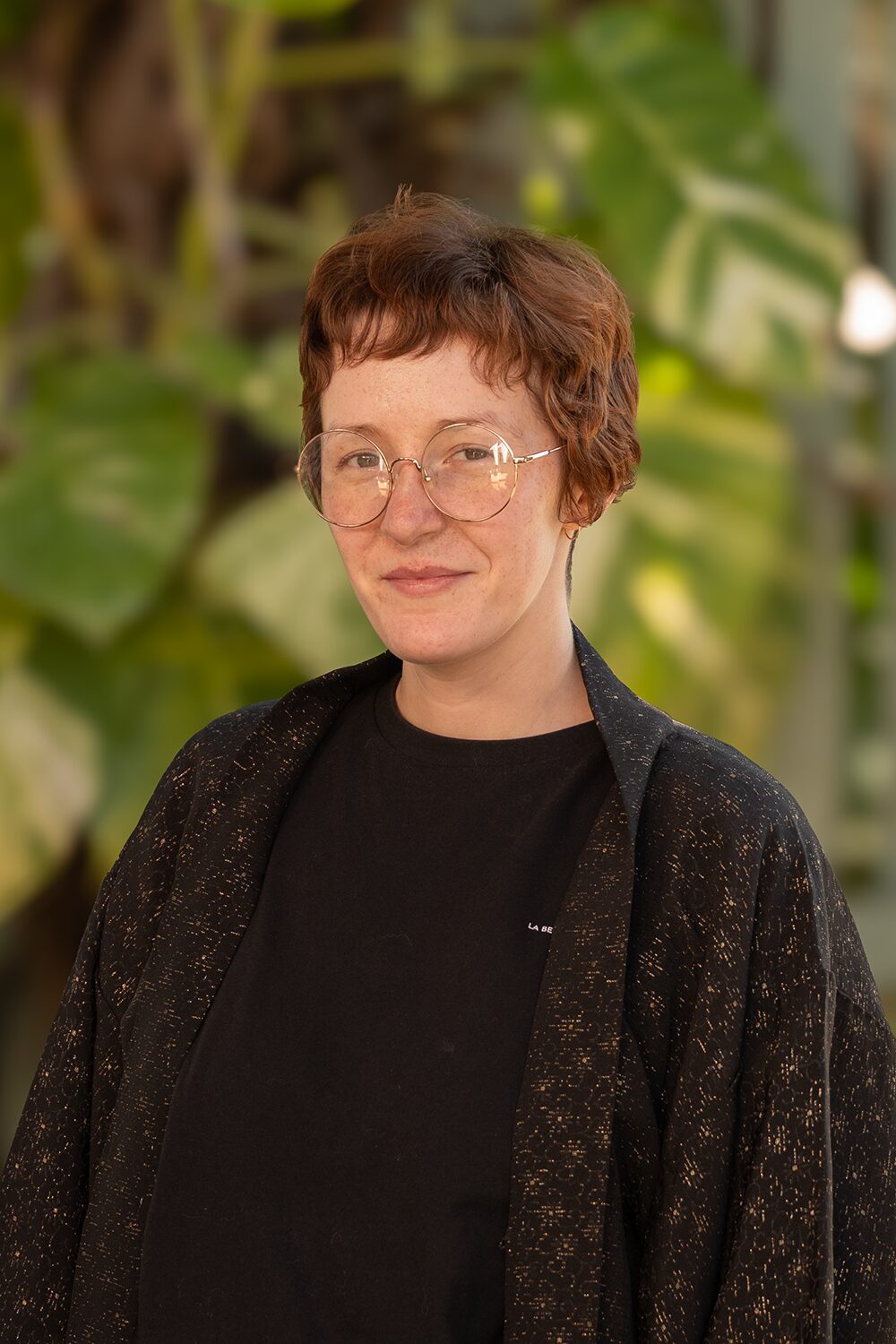
Tee Rogers
she/they
2D Art, Graphic Design
Tee is a Meanjin-based 2D artist and graphic designer with 6 years of experience creating games and experiential projects. They’re passionate about accessibility in design and being a part of projects that shine a spotlight on unique voices and stories within their community. They have contributed to multiple game jam games as a designer and illustrator with further experience designing narrative structures and systems for TTRPGs. Tee is the art director and illustrator for the indie game Kokato Dispatch, which was first showcased at 4ZZZ’s Indie Dev Night. Tee is excited to make games across a wide variety of genres and believes that everyone can and should make games as a form of creative expression and to diversify the landscape, shining a spotlight on unique and underserviced lived experiences.
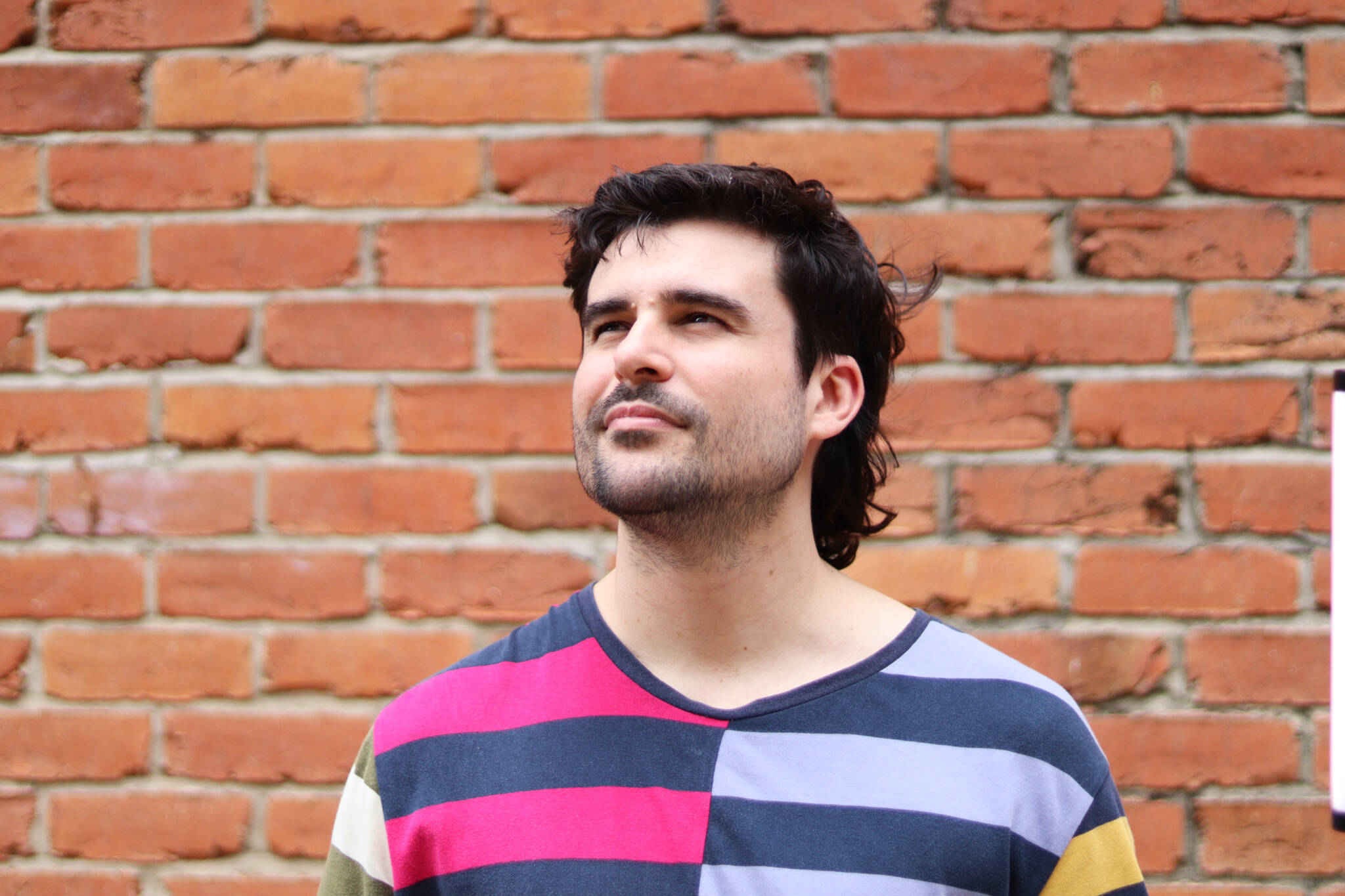
Jayden Cosgrove
he/they
Programming, Game Design, Music
Jayden completed the Bachelor of Game Design majoring in Player Experience at Griffith University in 2021, joining Toast Interactive directly out of university. In his role at Toast, he worked in programming and community management for aware-winning VR game Max Mustard. Jayden is also a musician, creating tracks that have recently been played on 4ZZZ, and in his spare time he enjoys birdwatching and is able to identify over 500 species of Australian birds.
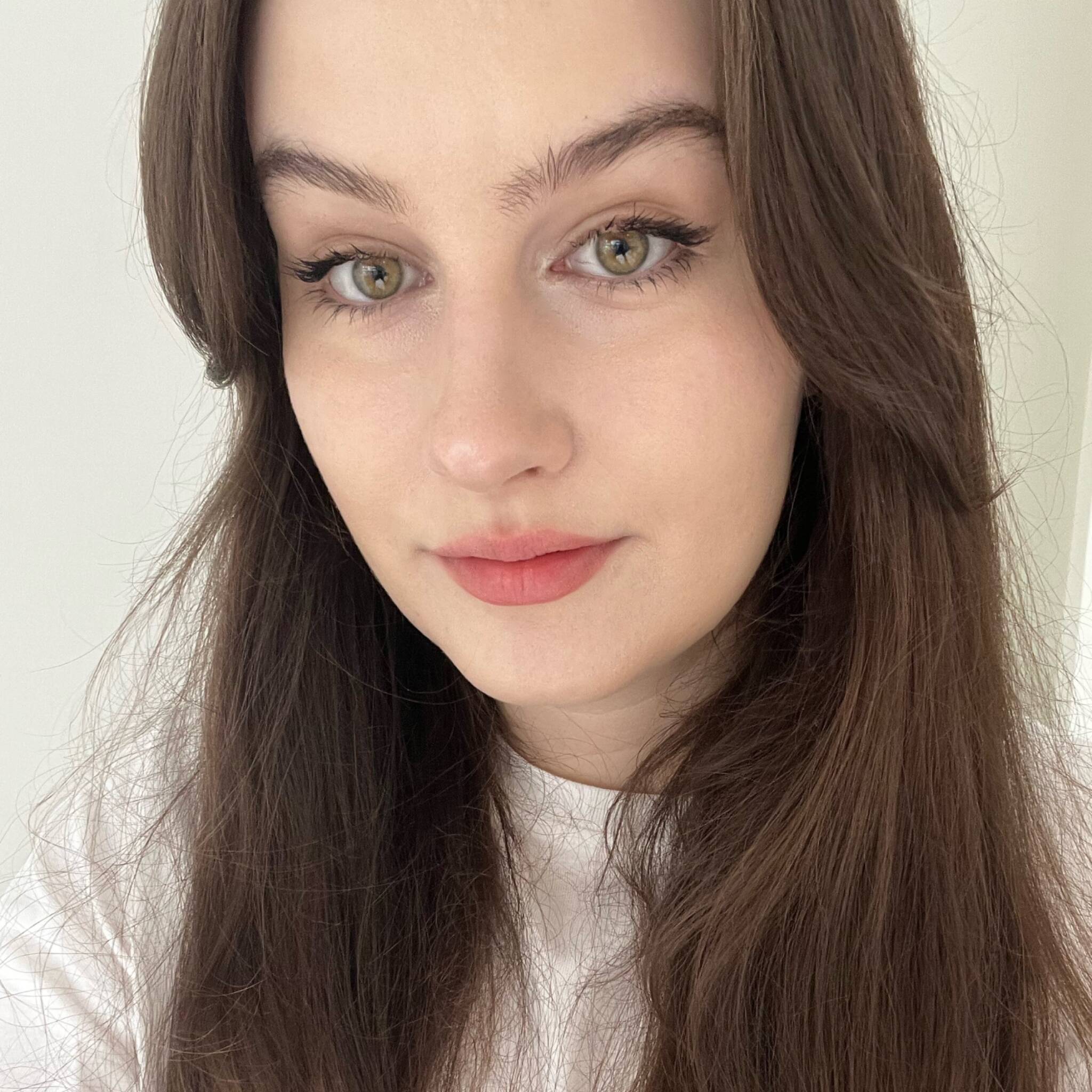
Lilly Manion
she/her
2D and 3D Art
Lilly is a 3D and 2D artist who specialising in creature and character art for games and animation. She has over 9 years of professional experience as a freelancer, working for both private commissions and commercial clients across hyperrealistic and stylised visual art, Lilly’s abilities as a 3D artist are grounded strongly by her traditional art background and a long-standing interest in animal anatomy and natural forms, informing her approach to anatomy, form and sculptural detail and ability to entirely hand-paint textures. She primarily works with Zbrush and Maya in her 3D work and utilises both traditional and digital mediums in her 2D work. Lilly holds a Bachelor of Animation from Griffith University and a Bachelor of Arts majoring in Serious Game Design from the University of the Sunshine Coast.
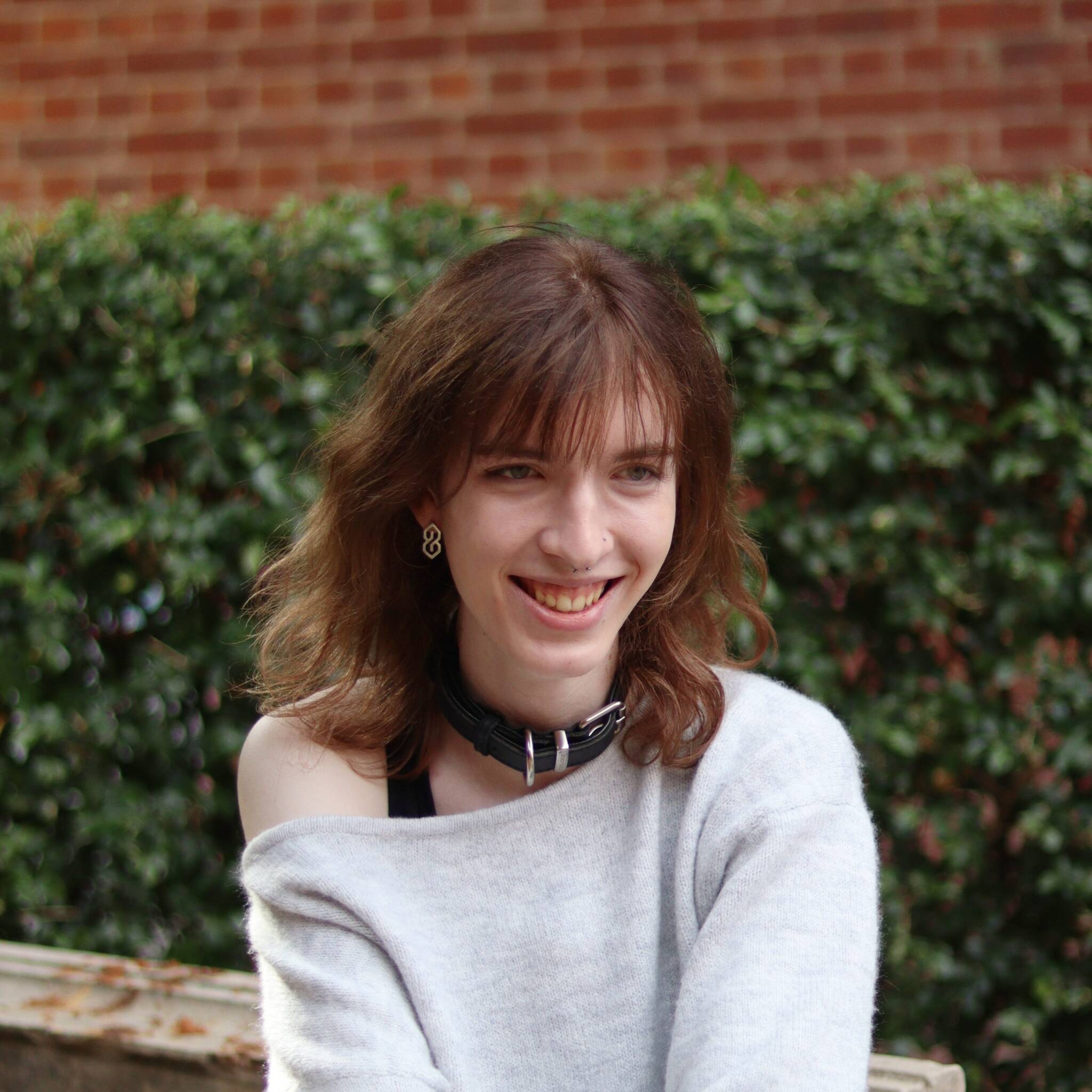
Piers Baker
they/any
Tech Art, Generalist
Piers is a tech artist who has been working in the industry for 2 years following 5 years working as a self-taught solo developer. They specialise in shader programming and graphics pipeline work, with a focus on stunning, unique visual styles. Piers is an all-rounder, having developed a number of projects on their own—most notably HyperRouter, which has featured at Queensland Games Festival and Zed Games Indie Dev Night.
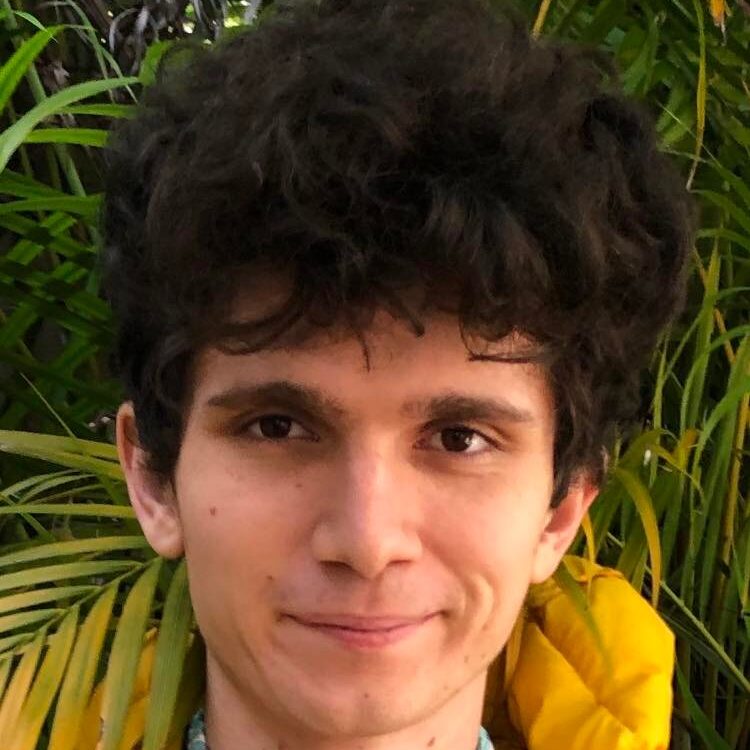
Tex Barnes
she/they
Design, Programming, Production, Generalist
Tex is interested in using games to explore novel interactions and ideas around community, art and play. They have released over 24 micro games in the past five years, with projects exhibited at Play//Space, Freeplay and PAXAus. Tex co-developed the multi-award-winning hand-drawn, folkloric, pacifist bullet-hell Key Fairy which was released in February 2026 and was supported by Screen Queensland and Screen Australia.
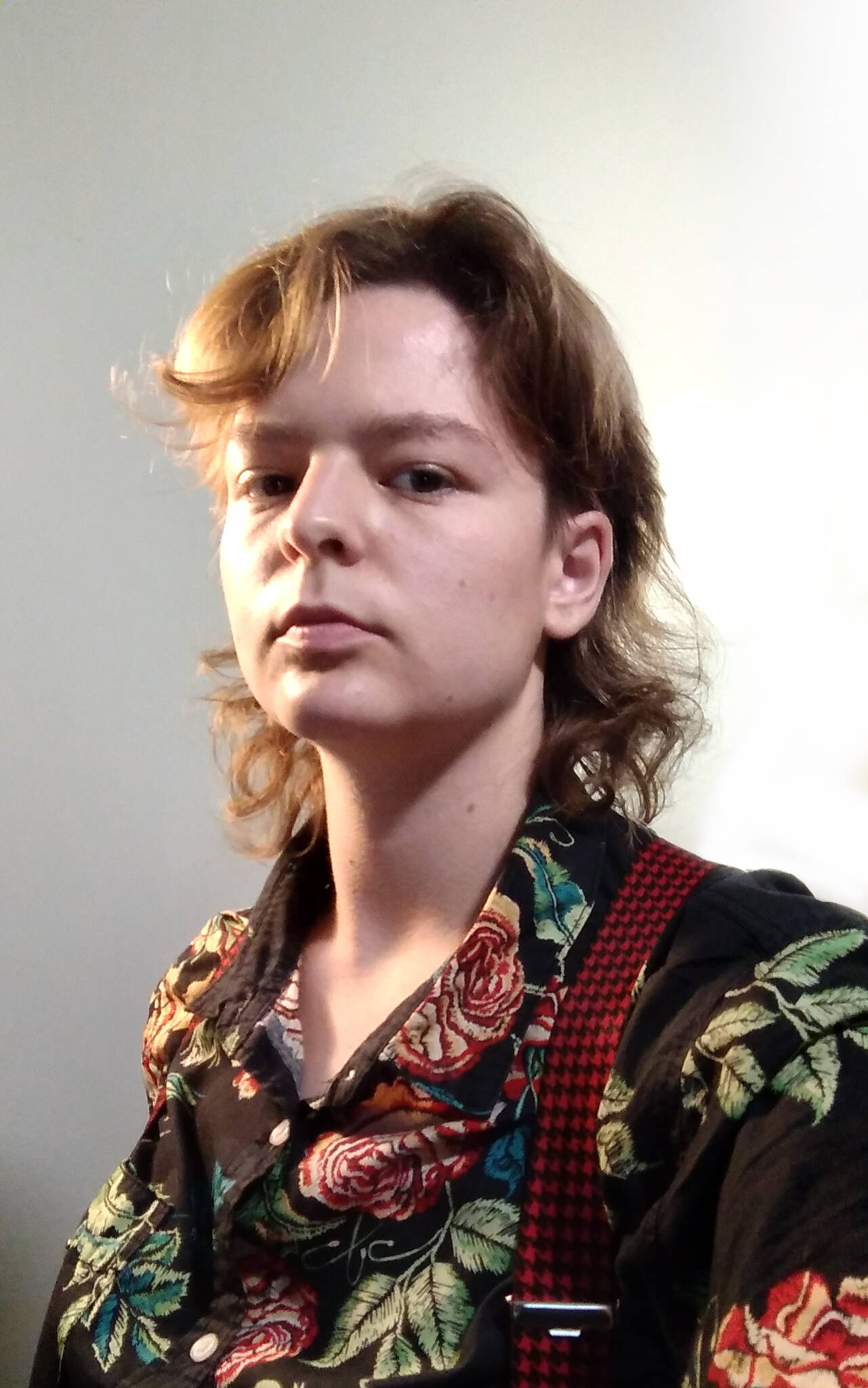
Joy Ferrentino
they/she/he
2D Art, Design
After studying animation at Griffith University, Joy was drawn towards the games industry and the opportunity to work in small, tight-knit teams and experiment with writing, concept art and game design. Joy enjoys bringing their own and others’ ambitious game ideas to life and, with 6 years of experience in solo animation work, can bring any idea to life with 2D animation.
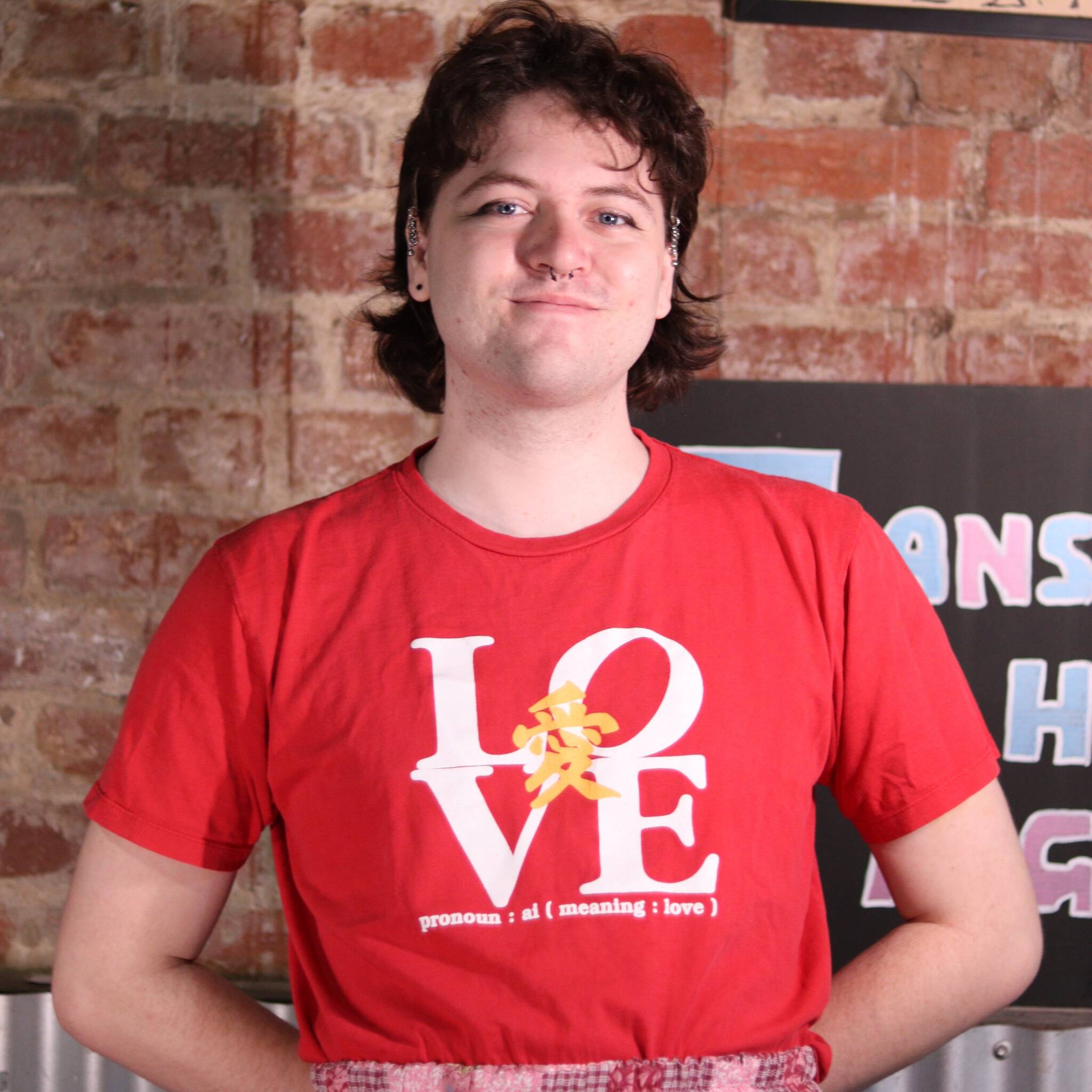
Mars Bleach
she/her
Illustration
Mars is a returning member of Screen Queensland’s Games Residency program, having previously joined the 2024 cohort. She studied programming and design at the Queensland University of Technology and is self-taught in ink illustration. She has experience releasing small hobbyist games and has ported a game to mobile. Mars is one half of indie studio Owl Machine, known for multi-award-winning project, Key Fairy which released in February 2026 and was supported by Screen Queensland and Screen Australia. She is particularly interested in cross-genre and cross-disciplinary art.
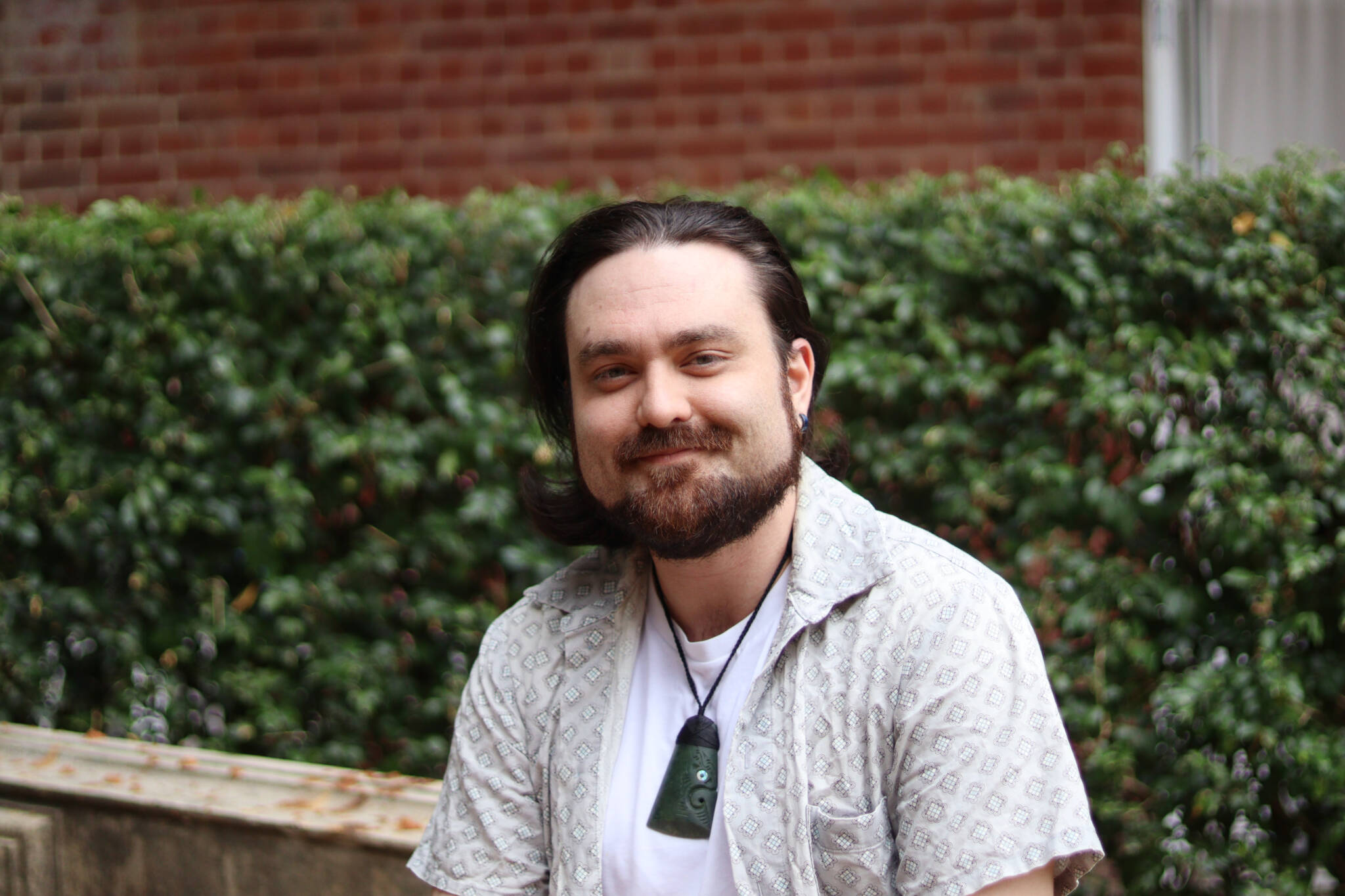
Reece Wherry
he/him
Production
Reece is a Ngapuhi Māori producer and generalist with a passion for play and systems design. With a wide range of experience in creative fields, including sound production, filmmaking, writing and coding, Reece is always excited to uplift teams and work with other impassioned creatives to explore unique perspectives through the medium of games.
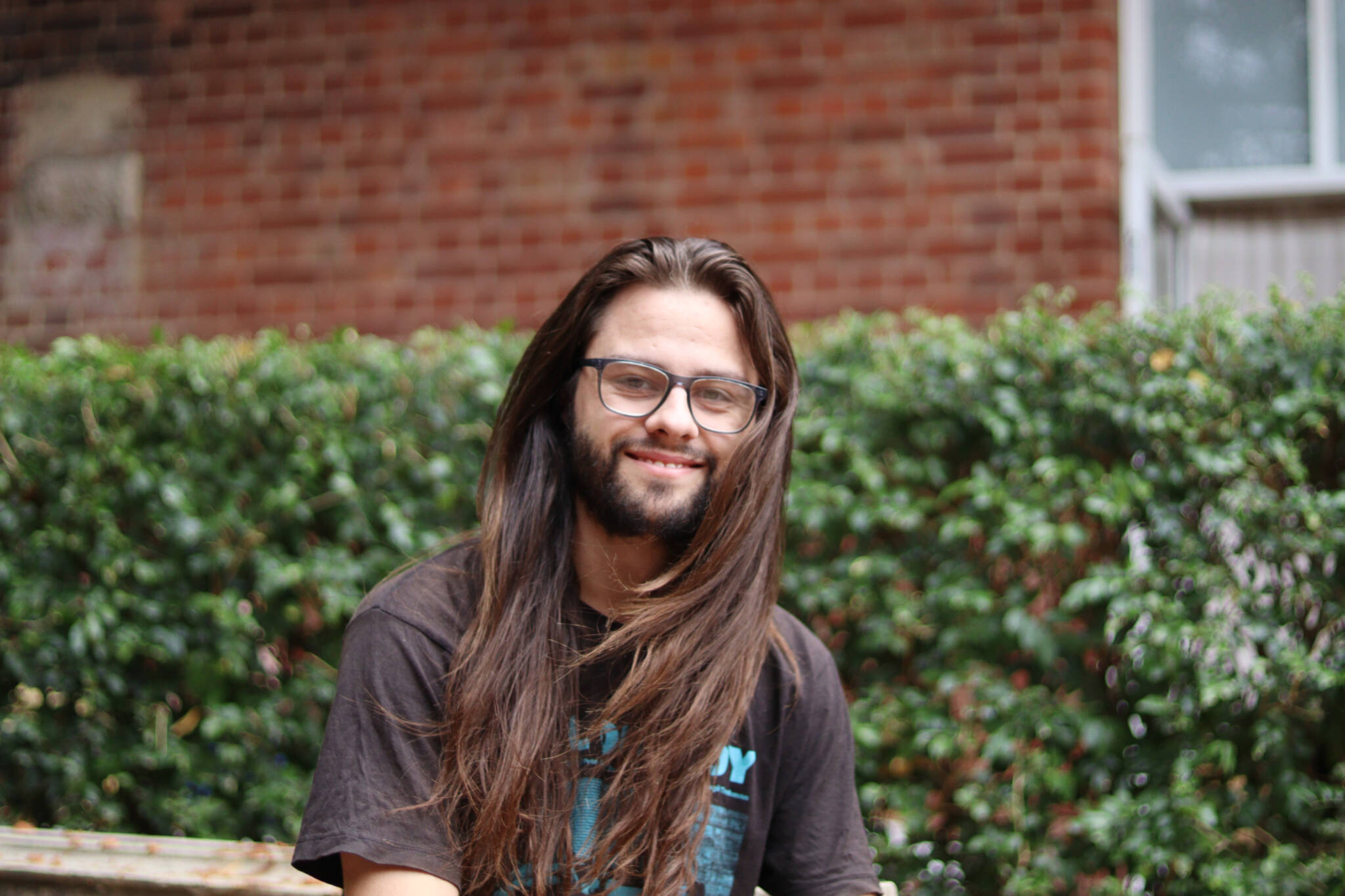
Zac Dickinson
he/him
Design
Zac is a game designer looking to build a sustainable business creating small games with niche appeal. With 8 years of professional experience across software and games development, Zac is proficient in design, programming and tech art. He also has a Bachelor of Games Development with a major in Game Design.
PAST RESIDENTS
2025
- Abbey Hall
- Alexandria Hirst
- Ben Fowler
- Brett Beacon
- Maggie Buckley
- Crystal Chemello
- Daniel Tan
- Darcy Morris
- Elly-rose Burrowes
- Jordan Sparks
- Louis Van Dyke
- Max Wilson
- Oscar Jemmott
- Sam Davis
- Tiger Collins
- William Hinz
2024
- Scarlett Ainsworth
- Tex Barnes
- Mars Bleach
- Miguel Boura
- Dylan van Beek
- David Chaseling
- Anya Collett
- Andrew Dowsett
- Jesse Duke
- Coen Andrew Hooper
- Corey Horne
- James Knight
- Alana McAnulty
- Emily Wilkinson
- David Williams
2023
- Lisa Aitchison
- Julian Beiboer
- Lily Bowditch
- Jack Dunphy
- Aaron Hambling
- Lindsay Kelso
- Hay Lee
- Jessica Lyon
- Annon Mondolo
- Gary Murphy
- Orçun Nişli
- Jamie Pasnin
- Jasmine Phillips
- Zac Schoessow
- Bryce Watson
CONTACT US
Screen Queensland Games team
+61 7 3248 0500
games@screenqld.com.au