
Queensland’s digital games sector has experienced enormous growth in recent years, backed by Screen Queensland’s industry leading Digital Games Incentive, Games Grants and Games Residency program.
The sunshine state became the second largest state in Australia for games studios and full-time employment in the sector has quadrupled, supporting more than 660 people to propel their careers in Queensland.
Indie studio Prideful Sloth has been part of the charge, quietly adding to Queensland’s reputation for quality cozy games over the years, until the recent full release of Go-Go Town! saw them leap to the top of the charts internationally. We caught up with co-founder Cheryl Vance to find out more about how ‘polite directness’ helped forge their path to success.
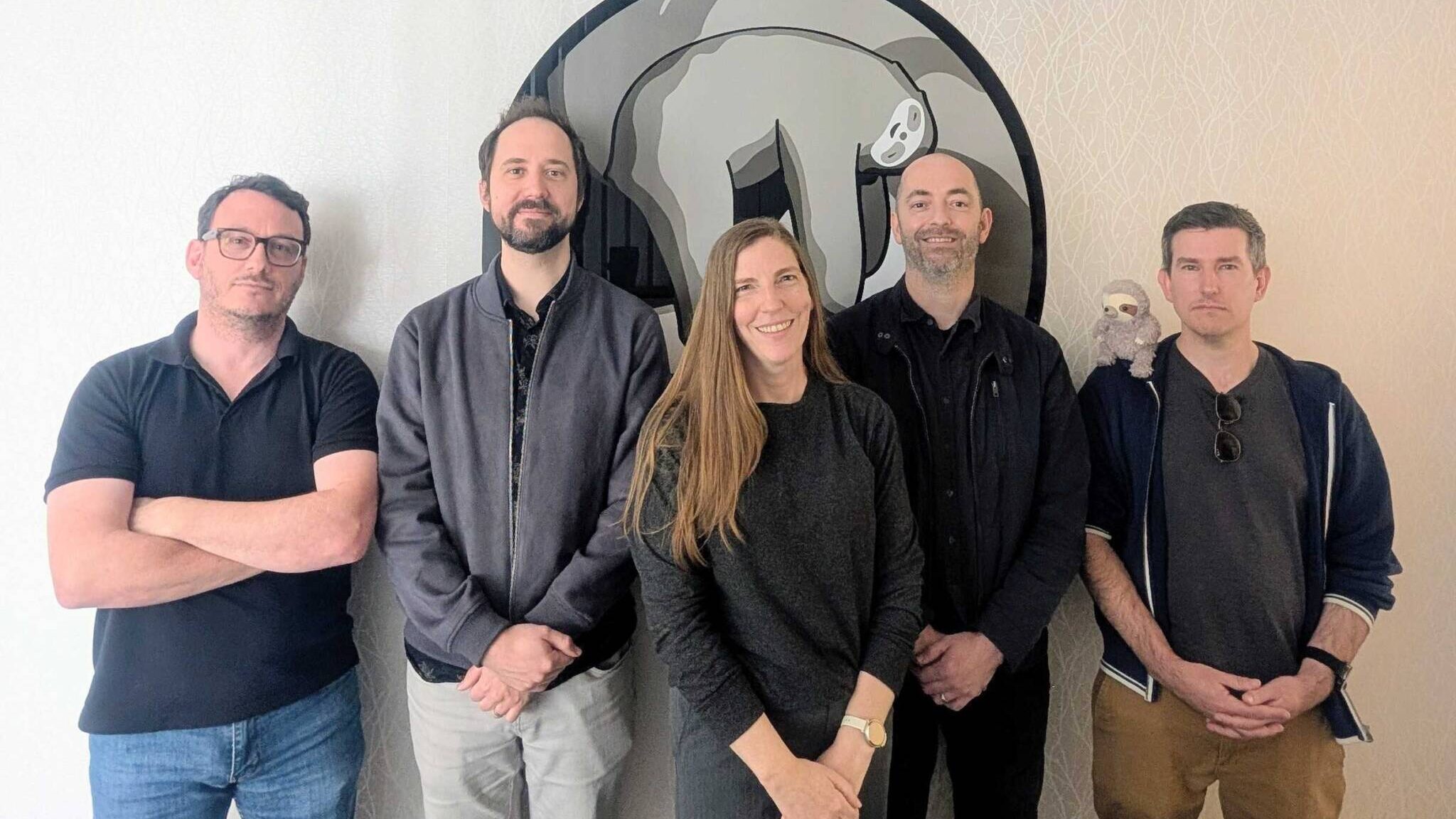
Image: Cheryl Vance (centre) with the Prideful Sloth team: Adam Markham, Anthony Massingham, John Norwood and Joel Styles.
Eleven years ago, Cheryl Vance was flatly told that no one funds games. In July, her indie studio Prideful Sloth officially launched the beloved city-builder Go-Go Town! on Nintendo Switch 2 and this month, sales passed 100,000.
They were among the first developers in in the world to get Switch 2 access.
For the five-person team, it’s the ultimate ode to talent, grit and how “polite directness” can out-punch scale. And as Queensland becomes a national games development powerhouse, it’s also proof of what the right funding, people and ideas can do.
In 2025 at Melbourne International Games Week, Vance spotted a long-time contact at Nintendo and made her move. As co-founder of a five-person studio built from hard work and bootstrapping, she’d learned just how far simply asking could get you. For her Nintendo contact, it had become almost routine: say hi, catch up, then land the ask.
“I asked him if there’s any chance we could get Switch 2 access, and he said, ‘Yep, we’ll take it back and assess it’,” recalls Vance.
“I was so excited, but then I started second-guessing myself. I honestly worried I’d misunderstood the conversation. And then a couple of weeks later we got the email that confirmed it.
“At that point I honestly only knew a few people who had access to it, and they were big studios.”
Her reaction was understandable. After all, Nintendo’s console had been the talk of the town since launching last year with era-defining titles like Mario Kart World and Fortnite among the games that launched alongside it.
Basically, if Switch 2 was a hot new venue, its opening night featured a star-studded lineup—and Go-Go Town! made the list.
As to how the “cozy” family-friendly game that lets you be the mayor of a rundown town—alongside planning neighbourhoods, wrangling tourists and high-fiving the odd cow—came to be, the story starts in 2014 and several thousand miles from home.
Vance, who’d spent more than a decade in production roles on major studio projects, and co-founder Joel Styles were working in the UK and wanted two things more than anything else: to design their own game and return home.
From the proverbial kitchen table, they birthed Yonder: The Cloud Catcher Chronicles and went on to spend weekends and sizeable chunks of annual leave building a prototype for an open-world adventure game that let players explore and farm without a single moment of combat.
“That was almost a year before we moved back to Australia, and we were scrimping and saving to give us the best runway possible. It took a long time, and we had to do it cautiously,” said Vance.
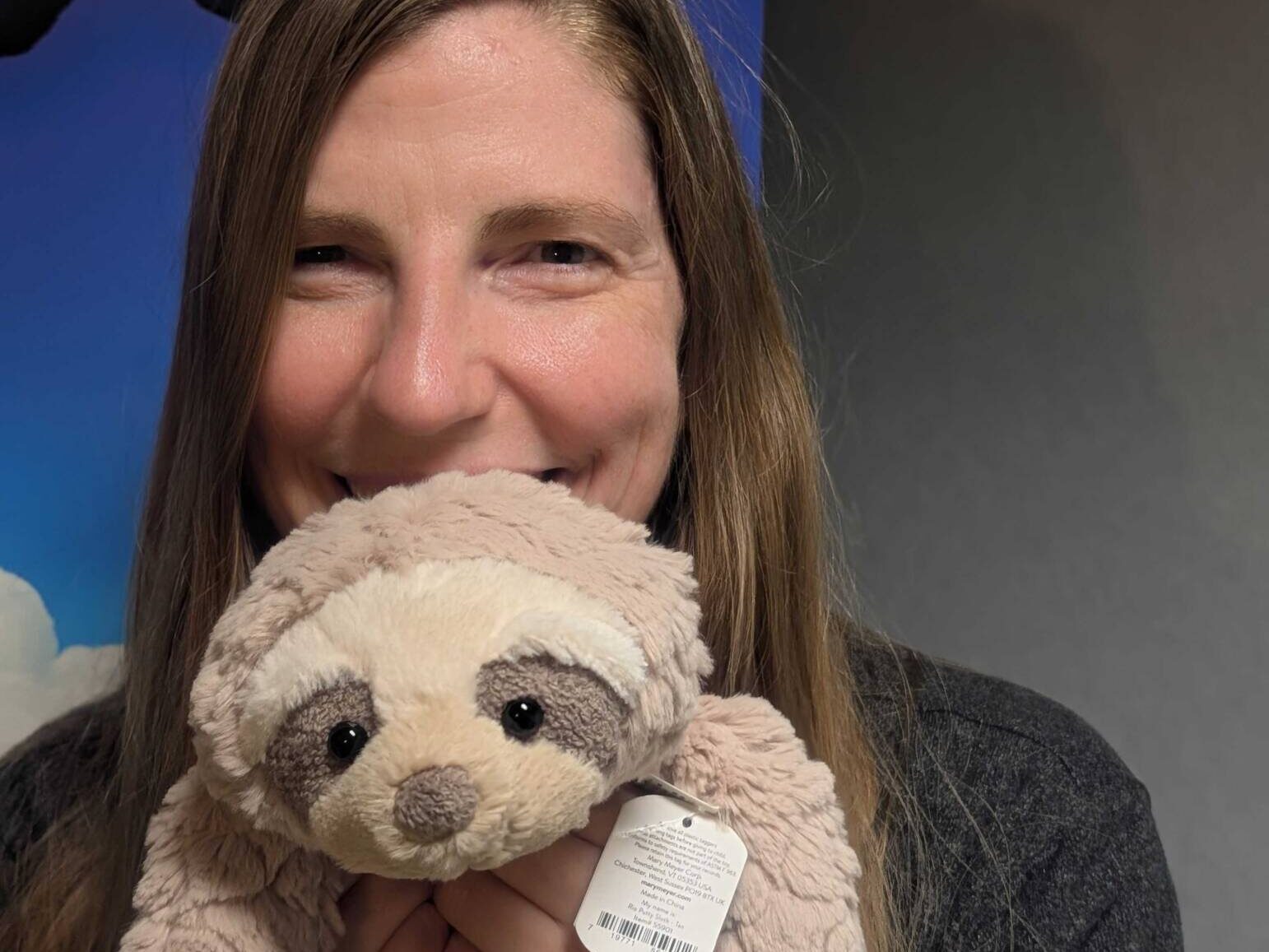

After returning home they teamed up with friend and colleague John Northwood to launch Prideful Sloth and were quickly warned just how tough funding was for indie studios.
“A friend in the industry told us no one funds games,” recalls Vance.
Not one to take no for an answer, she ignored the warning, and the trio piloted more than just a game, but a tactic Vance calls “polite directness”: aka the art of nicely asking for what you want.
And it paid off. Two years of persistent pitching later, the trio landed a publishing deal with Sony for Yonder, which Vance said was far more generous than they had “any right to expect”. It opened real doors too, including contract help to move into production, and coverage in print magazines that don’t exist anymore.
Vance and Styles were still living off savings just to pay themselves, but the deal made the work possible.
Yonder launched in 2017 and a second game, Grow: Song of the Evertree, followed in 2021. By the time Prideful Sloth turned its attention to Go-Go Town!, the appetite their friend once doubted had well and truly arrived.
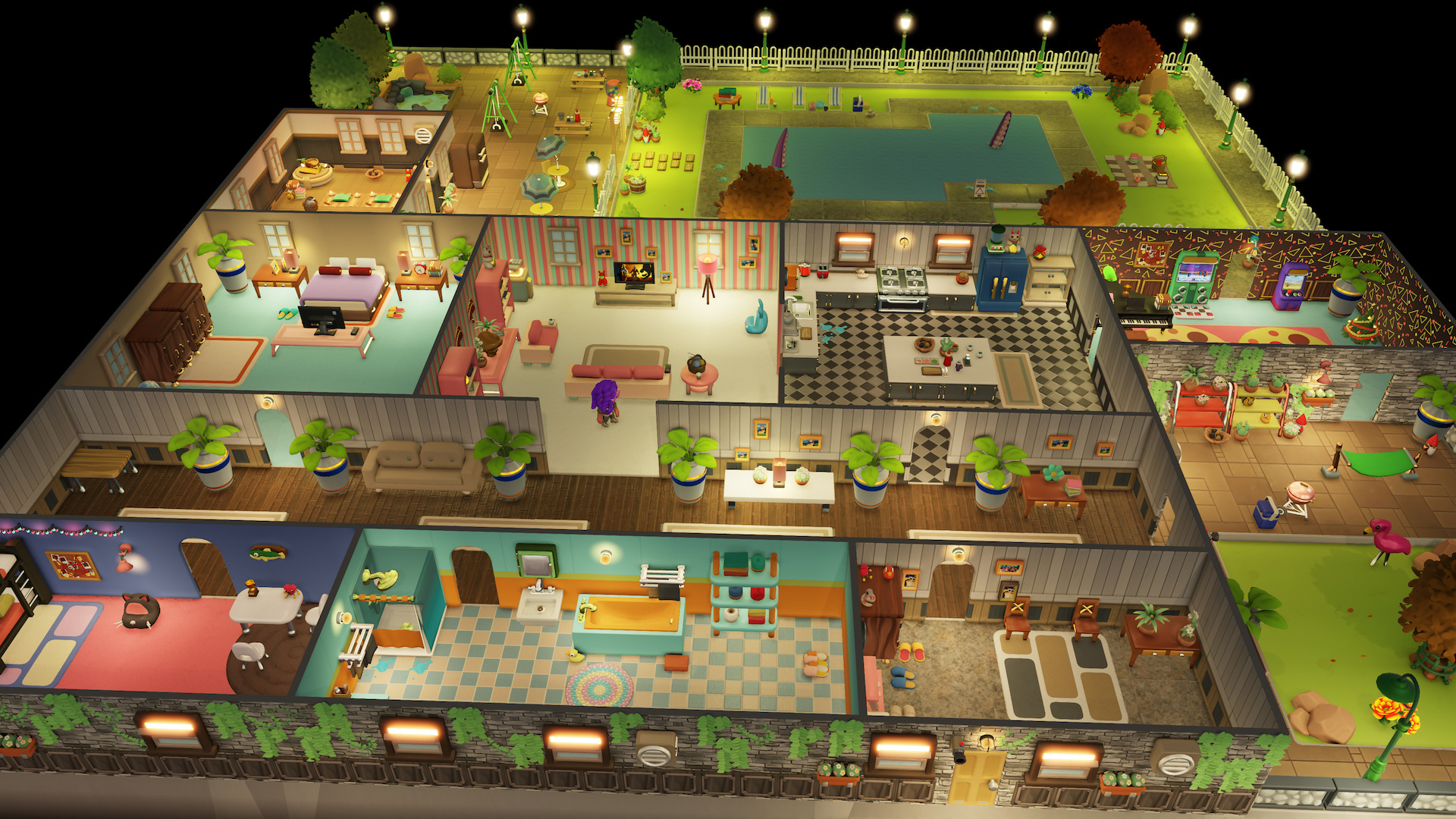
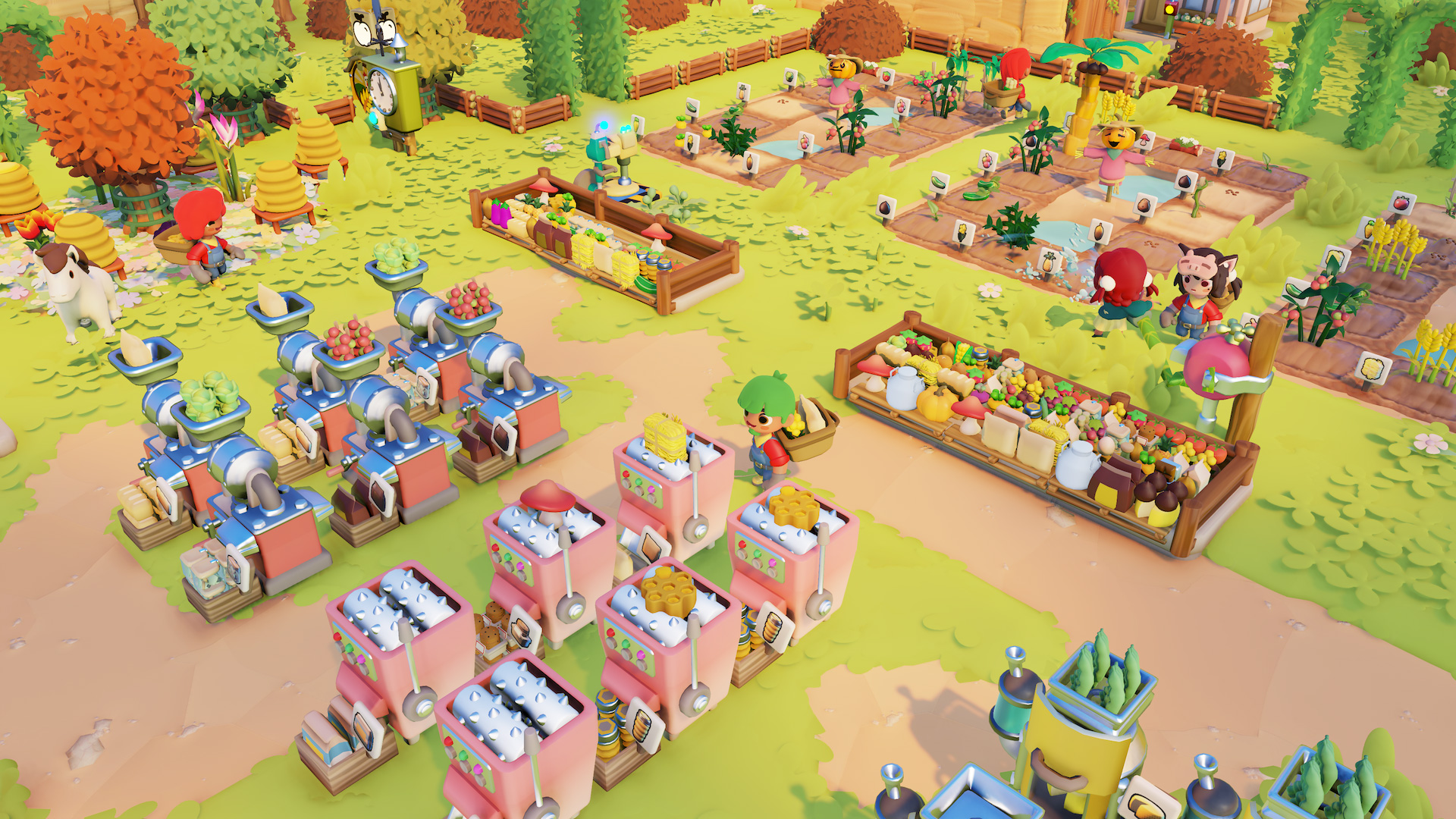
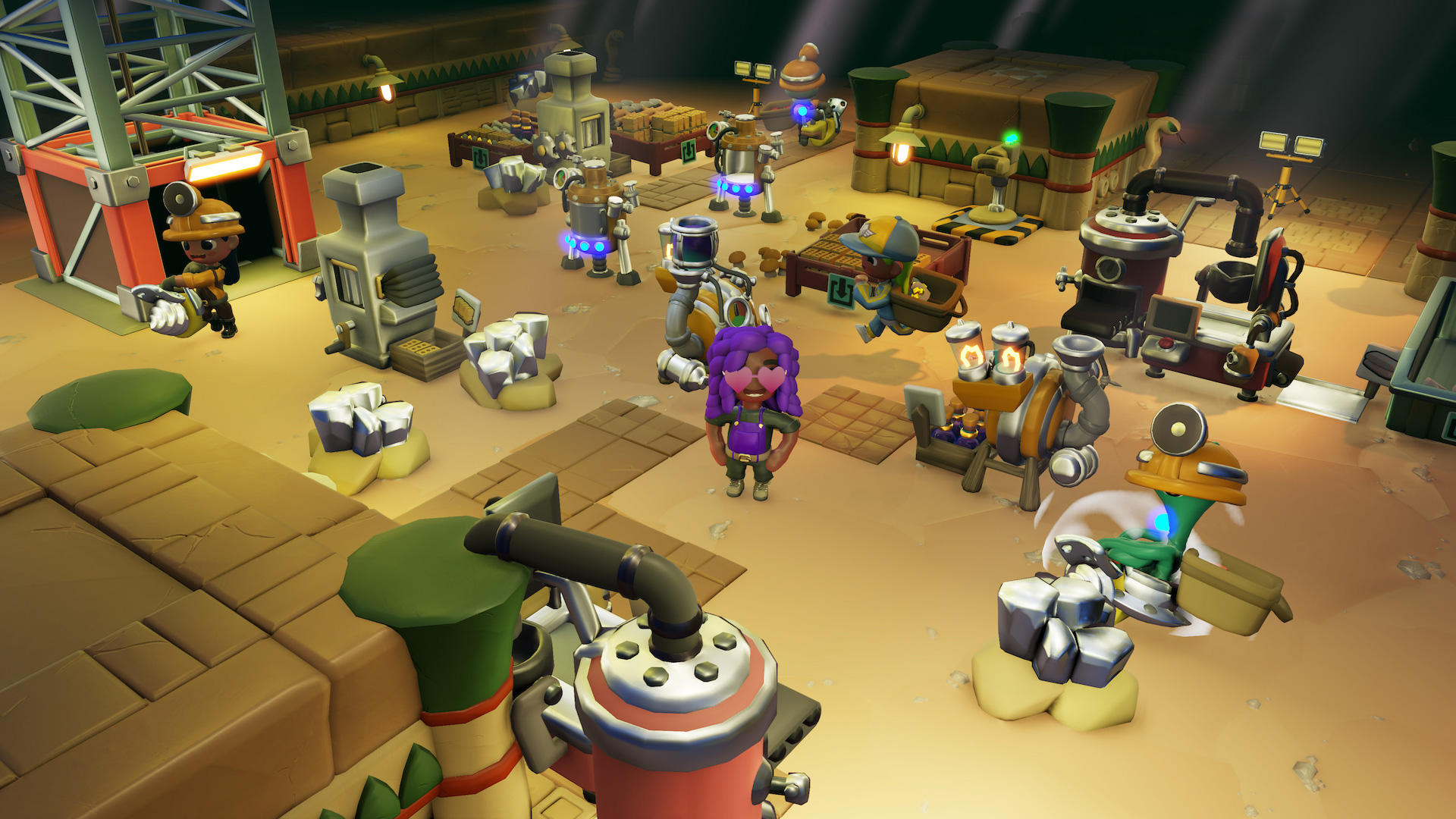
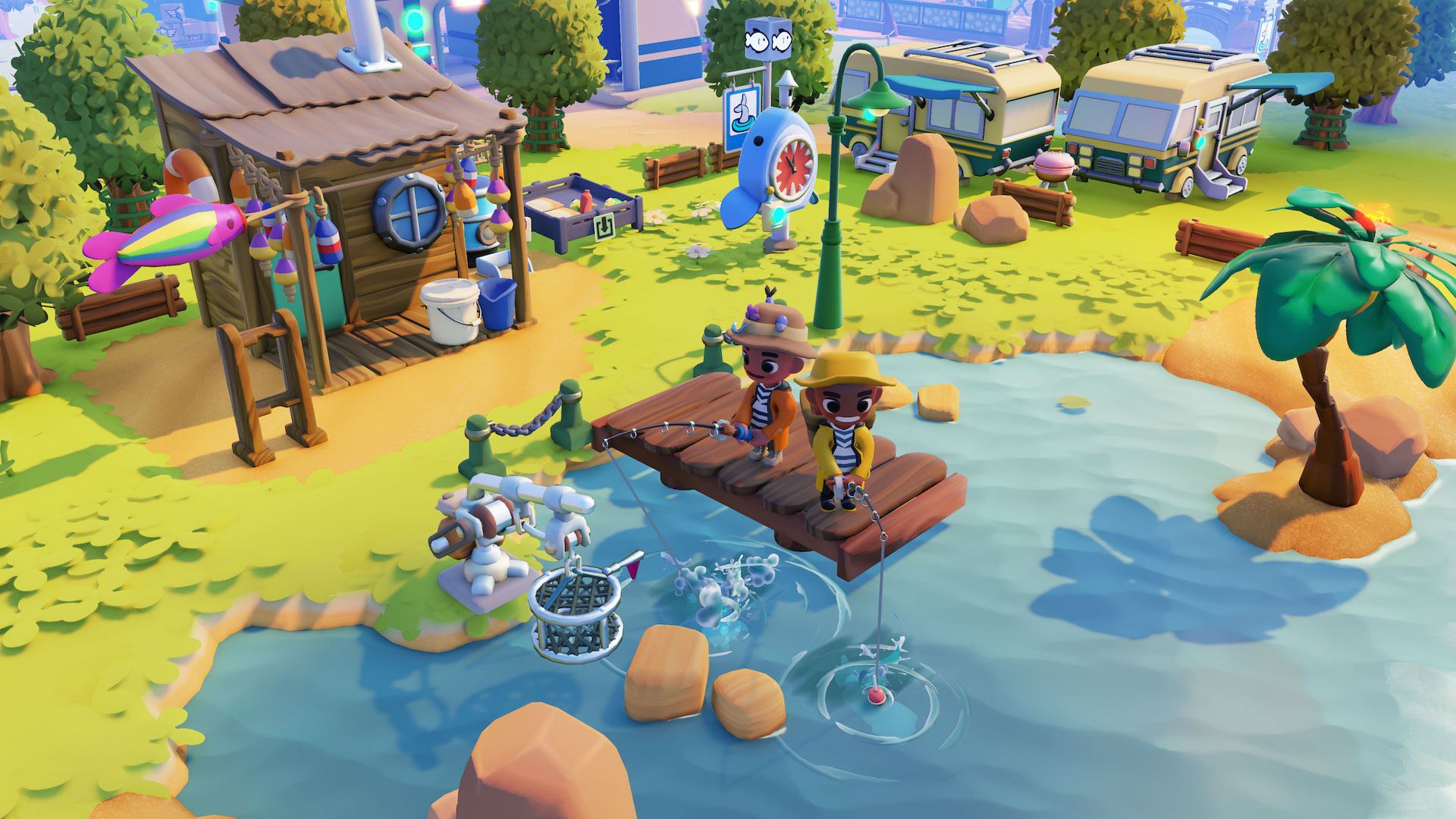
And Go-Go Town! leaned in. Players are handed the keys to a struggling town and tasked with turning it around while building neighbourhoods, running shops and production chains, and keeping on top of the daily chaos of a growing tourist destination, with time out for fishing and go-karting. It launched into Early Access in 2024 and went on to earn a 94 per cent positive rating across 2,000-plus Steam reviews.
In November, the team received the green light for Switch 2 access, kicking off five months of work to deliver a console-ready version.
“It wasn’t too bad for us, to be honest,” Vance says of the certification process.
“The harder part was relearning everything you need to support on a new platform. Credit to the Nintendo team though—they were responsive, and were so quick to support and guide us if something wasn’t quite right.”
The extra hardware grunt meant the game not only looked sharper and crisper than before – but access to far more global exposure.
That extra exposure helped Go-Go Town! surpass 100,000 sales in early August and soar to the top of the Stream New Releases charts. It then claimed the top two spots on the Nintendo Switch sales charts in Japan, the UK and the US.
To celebrate the milestone, Prideful Sloth released an update with extra treats for players on Stream, with Switch updates to follow.
For Vance, the success is nothing short of mind-blowing.
“It’s been such a collaborative project internally,” she said.
“Everyone in the team has had a say, and there are bits of everybody in there.”
Beyond the milestones, it’s the player feedback that Vance cherishes most.
Before Go-Go Town’s Switch 2 launch, she describes how one team member’s wife—who had never played games before—gave it a try and ended up playing for several hours straight.
Another fan called it “the perfect ADHD game”. While it’s not something Vance deliberately designed, she endorsed it nevertheless and said it speaks to the small hits of progress built into every corner of the town.
Yet Vance insists none of the success happened in a vacuum. Not only has appetite swelled over the past few years for family-friendly games and indie developers like Prideful Sloth, but the Queensland Government, through strategic investment from Screen Queensland has fed the sector.
Screen Queensland has backed Go-Go Town! since 2022, with the project receiving several rounds of Digital Games Incentive (DGI) funding through to its full release. Zooming out, the Games Grants and DGI funding have had a marked ripple effect across the entire industry with fulltime jobs quadrupling over the past five years.
Queensland has also become the second-largest state for games development in the country, with Screen Queensland allocating $3.7 million DGI and Games Grants between July and December 2025 alone, including Go-Go Town!.
When asked about the last 11 years and what fills her with pride, Vance is honest, humble and pragmatic. For the passionate game designer who has scrimped and bootlegged and become a master of polite directness, it’s not the funding, the reviews or even the global recognition.
“I’m proud I’ve survived,” she says.
“The fact I’m still standing, with a career in games, is testament in itself.”
As for what’s next, Vance isn’t in a rush to say. Go-Go Town! still has their full attention and while she admits the team has ideas “floating around” for whatever comes after, she’s leaning toward something smaller and self-contained next: a palette cleanser, of sorts, before the next big leap.
Go-Go Town! is a finalist for the 2026 Australian Game Developer Awards, nominated for the prestigious Game of the Year Award! Go-go Go-Go Town!
Play Go-Go Town! now on Steam, Nintendo Switch and Nintendo Switch 2
Find out more about our Games programs