

Queensland’s post-production sector has grown enormously in recent years, with local and international producers attracted to the quality of work coming from the sunshine state, as well as the end-to-end production capabilities. In 2025–26, post-production businesses generated around $68.5 million for the state economy across 38 projects, supporting employment for over 900 highly skilled practitioners.
Chop Shop Post is based in South Brisbane and has built an incredible pedigree over the years, with work including local and international indie films, as well as one of the biggest series to ever come out of Queensland. We caught up with Lav Bodnaruk to find out more about their recipe for success.
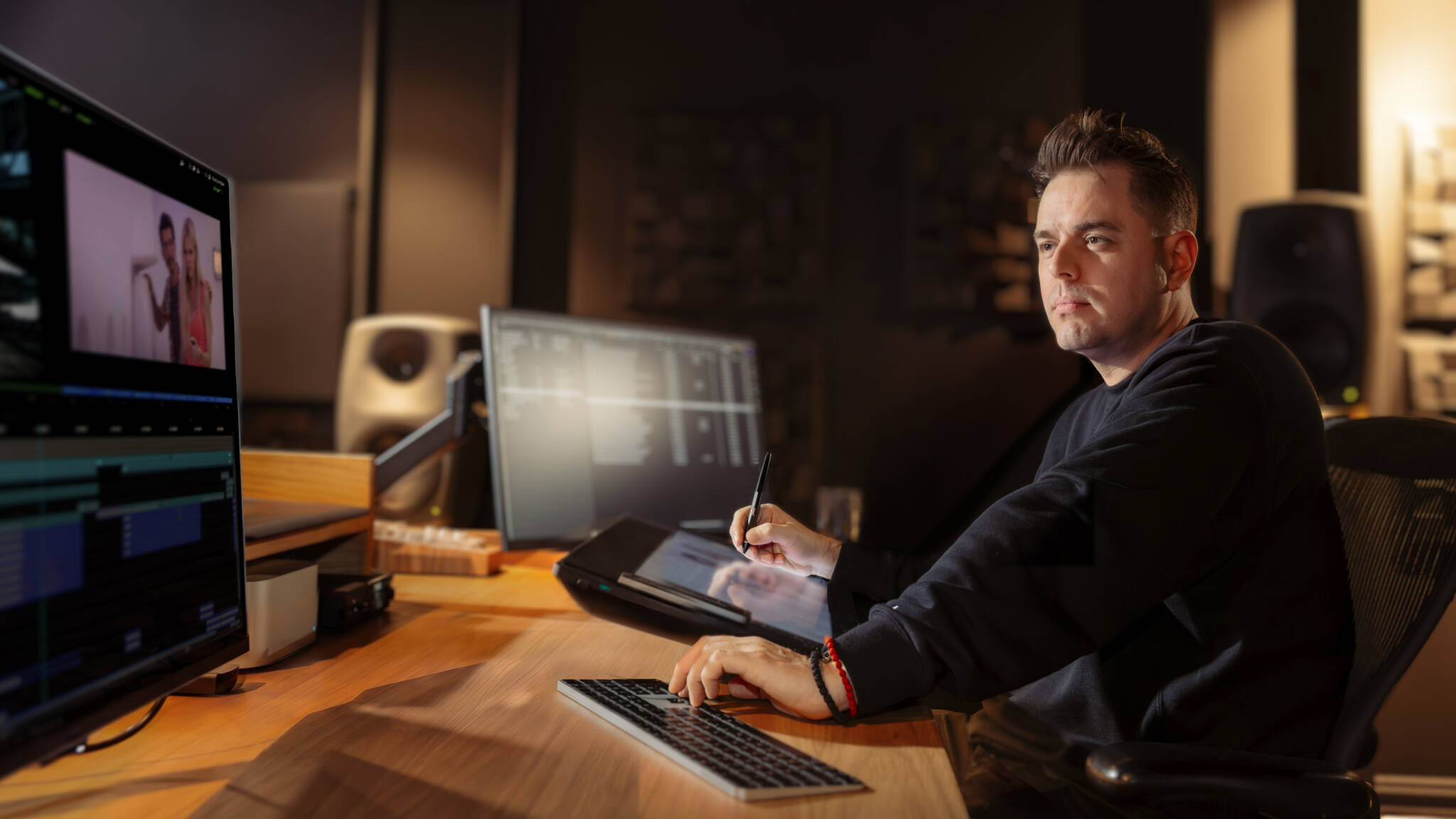
There’s an age-old filmmaking adage that every movie is made three times: once on the page, once on set and once in the edit.
Chop Shop Post is where round three happens.
As one of Queensland’s leading independent full-service post-production houses, Chop Shop Post (CSP) has helped Chuck Norris soar through a “bonkers” fighter-jet sequence, created a fully simulated car chase across the Sydney Harbour Bridge and transformed Aussie actor Stephen Curry into a photoreal talking cockatoo.
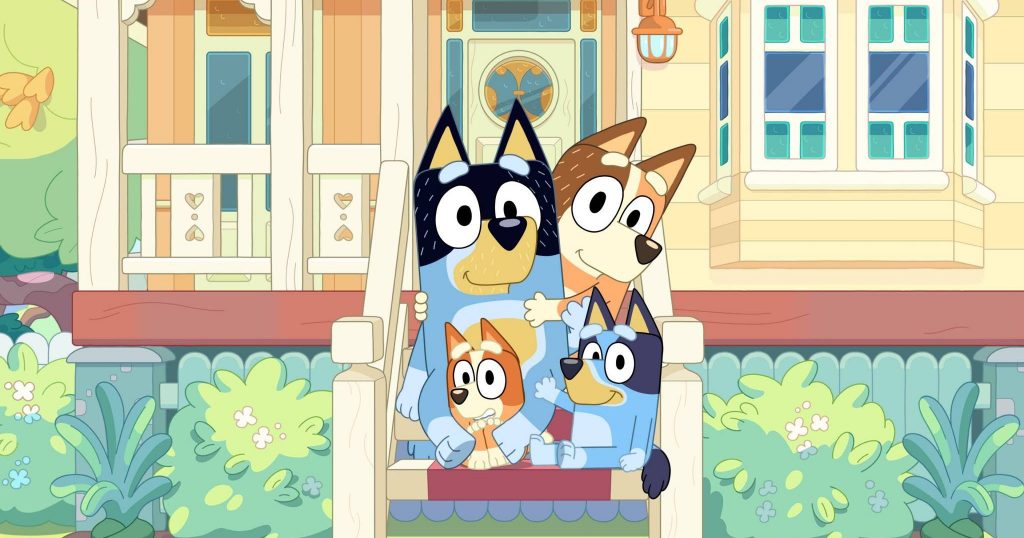
If you’re an Australian parent who has fallen in love with Bluey, CSP has probably played a part in that too.
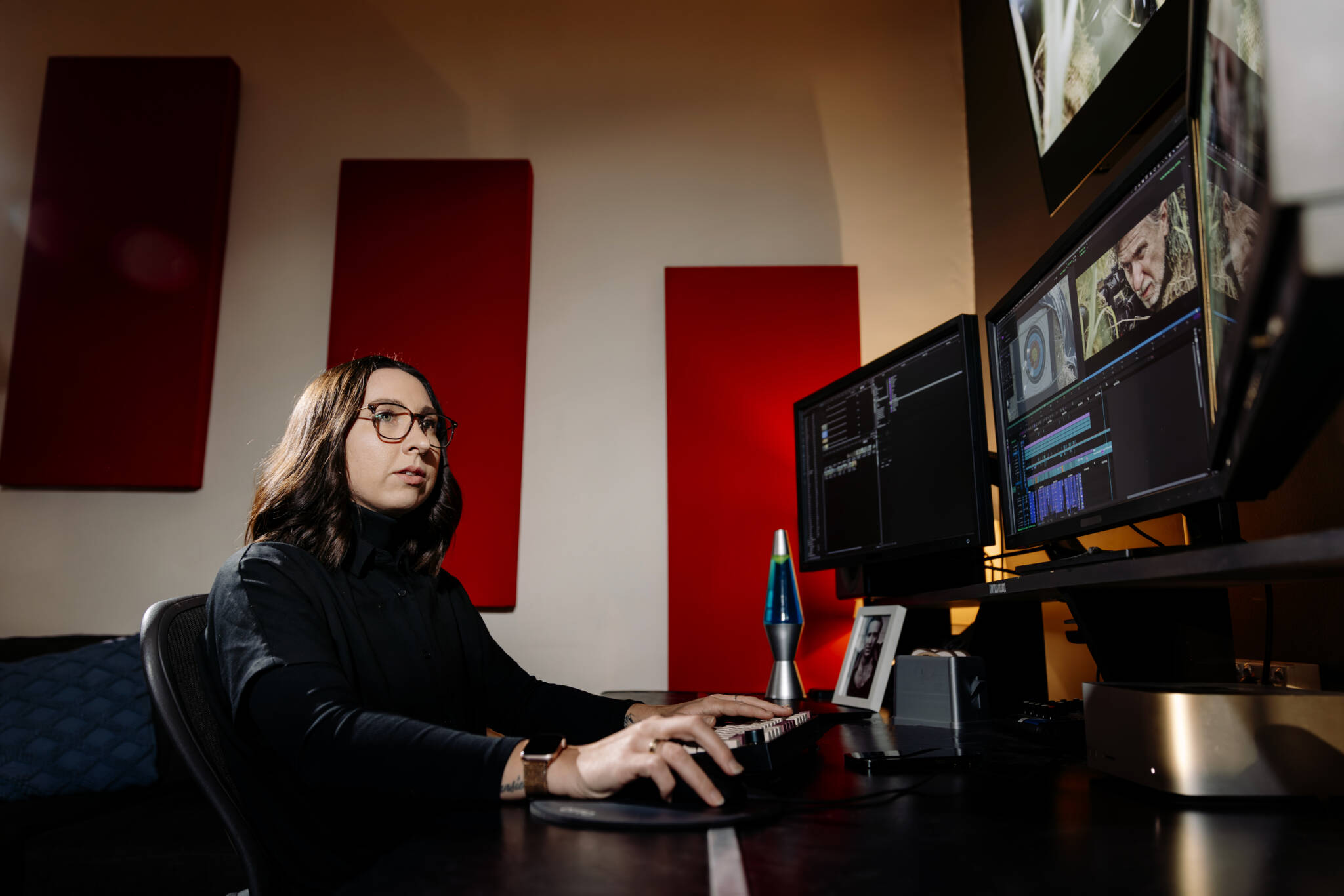
Based in South Brisbane, CSP is where productions arrive after years of development, financing, casting and filming—often with exhausted filmmakers and mountains of footage in tow. There, its editors, VFX artists, colourists and sound specialists refine performances, build tension, shape emotional arcs and find the clearest path through a story.
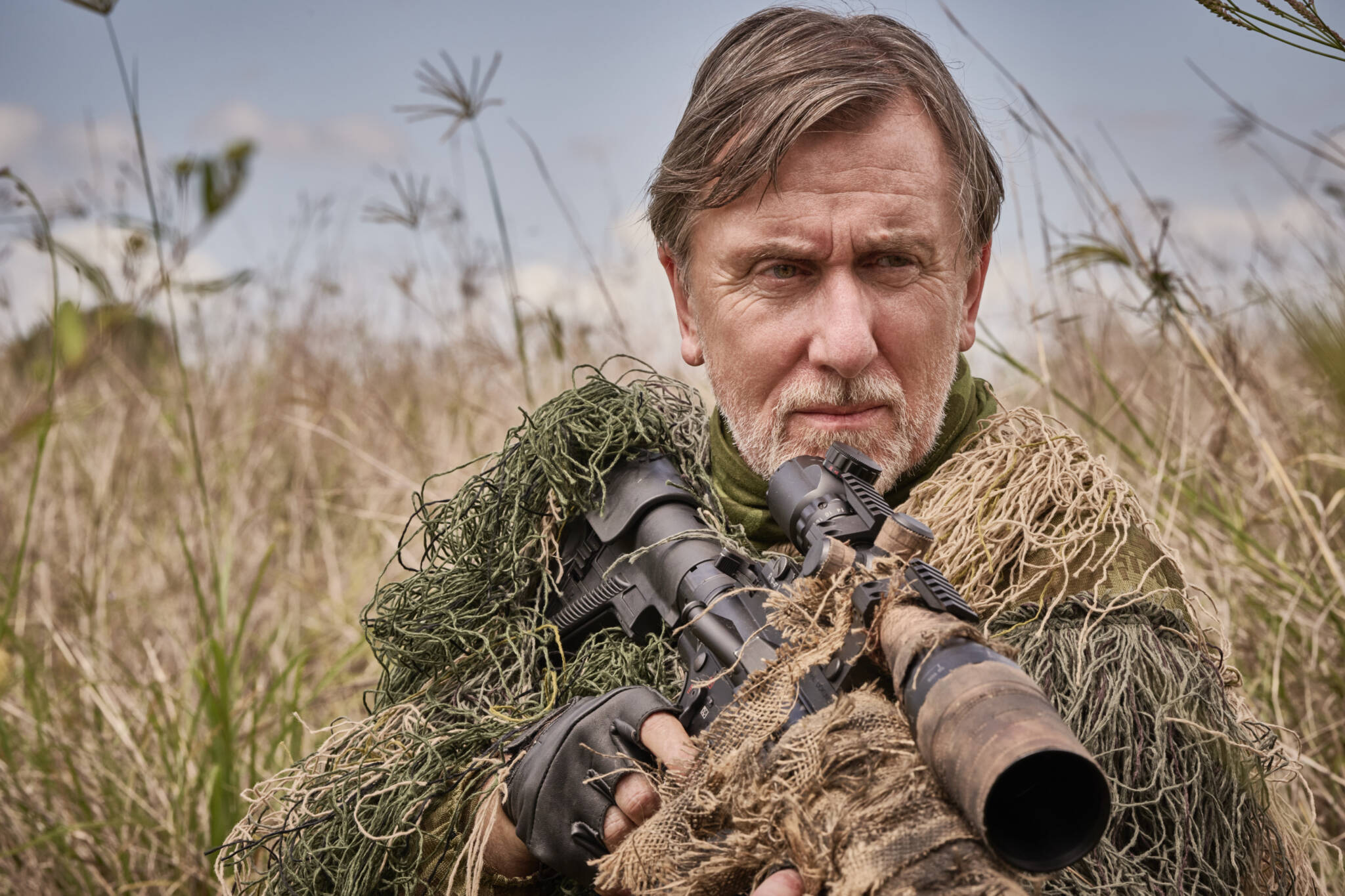
Over the past 16 years, the team has worked across features, longform series, animation and commercials, with credits including Seven Snipers, made entirely in Queensland, and Kung Fu Deadly. Screen Queensland’s Screen Finance Fund supported both.
Other projects include Bluey, the forthcoming Stan series Gnomes and FING! starring Taika Waititi and filmed at Screen Queensland Studios, Brisbane, which premiered at the 2026 Sundance Film Festival in January.
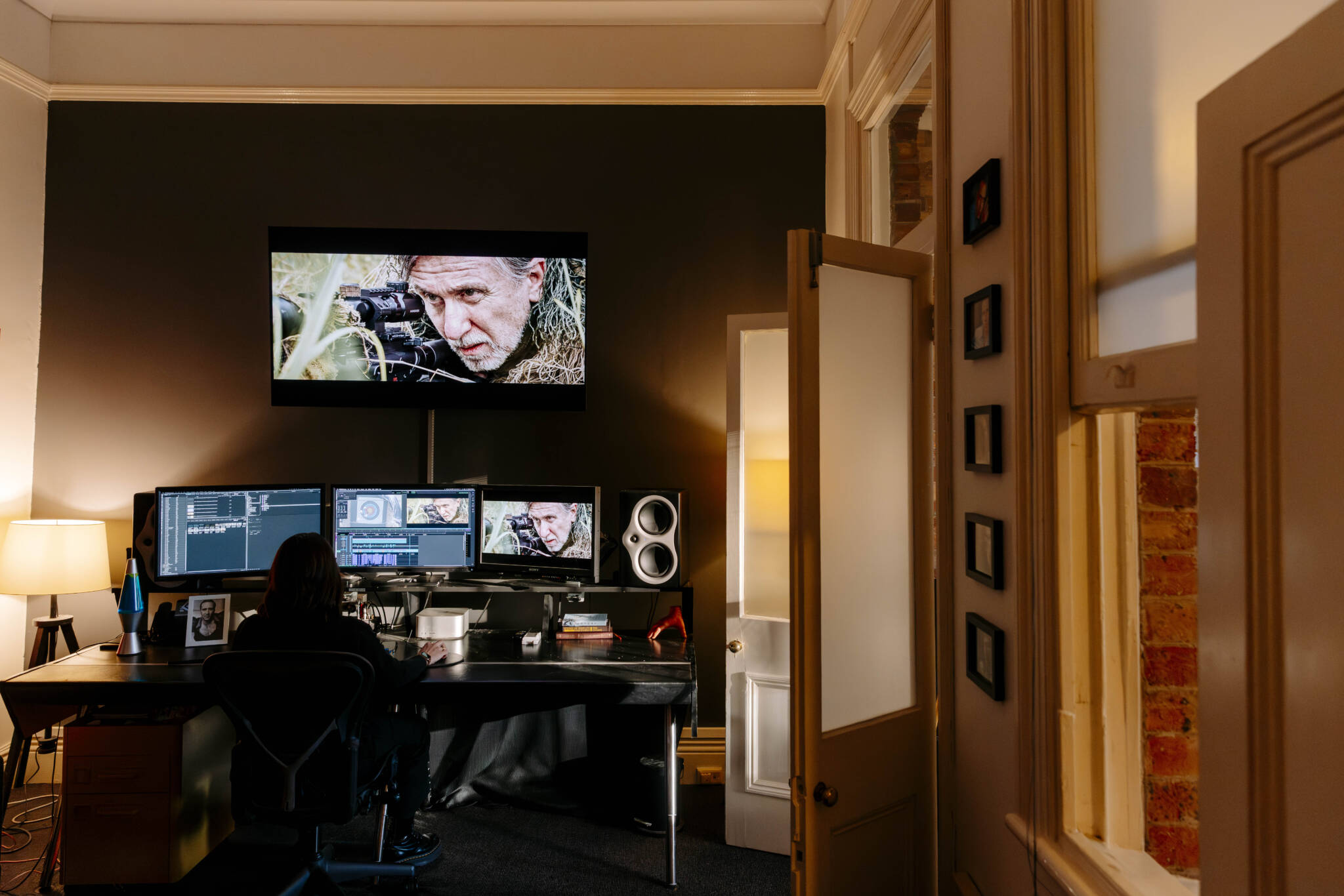
Screen Queensland caught up with co-owner Lav Bodnaruk to explore the art of post-production, the creative collaboration behind storytelling and why the Sunshine State continues to cement its reputation as a world-class screen production hub.
Together with co-owner Mike Mier, you’ve worked across an incredible mix of projects. Take us through your journey into the industry and the birth of CSP.
It started about 16 years ago when the industry was transitioning from film into digital. Mike and I were directing a pilot for a television network and the post-production offerings just didn’t win us over.
I can appreciate how tough it was for them as their traditional workflows were being thrown out the window with the new digital age—but we wanted an offering that put creativity at the forefront and embraced innovation. So, we decided to do it ourselves.
And that’s been our motto ever since. Our approach is to remain malleable and adaptive.
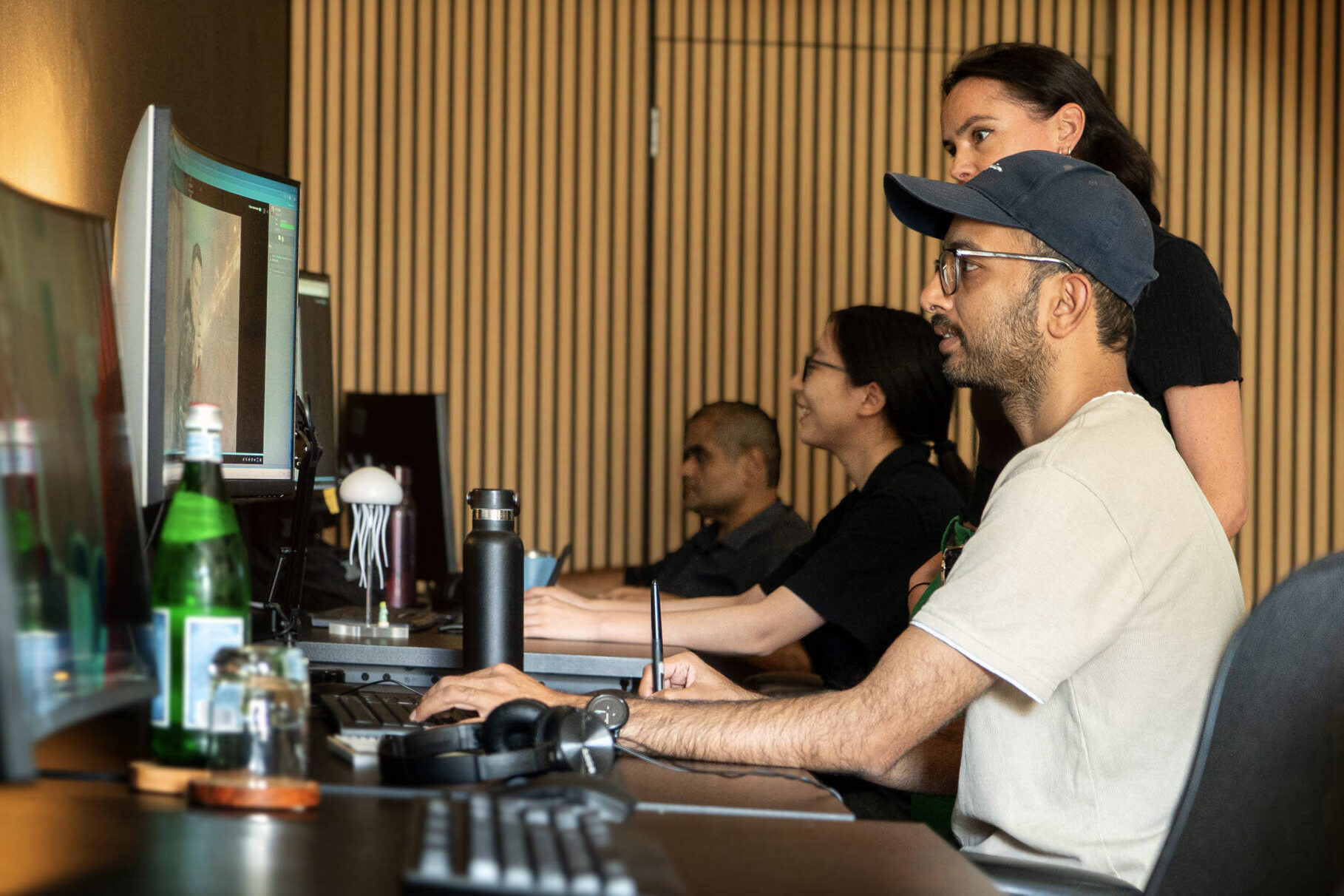
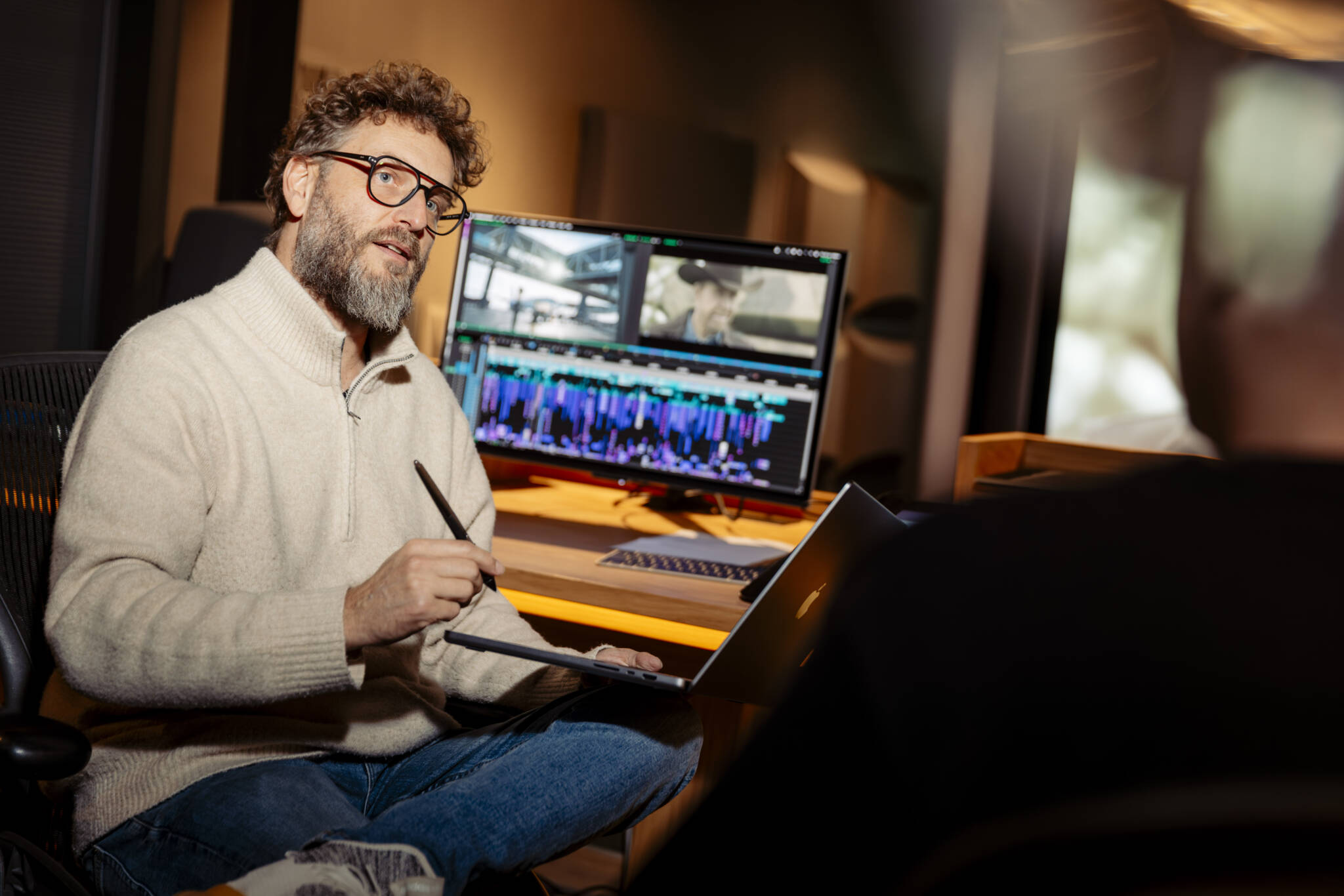
What’s the secret sauce behind building a sustainable full-service post-production business in Queensland?
Mike and I are directors ourselves. So, we try to give clients the experience we would want as filmmakers. A big part of that is ownership—the attention you get from an artist who genuinely cares. If we jump aboard a project, it’s because we want to. We treat it like our own baby.
You’re not at a fast-food joint. You’re at a mum-and-pop restaurant, getting up close and personal with the menu and the crew.
We also value the input of our artists, editors and production team, and keep asking: how can we make this better? That approach has helped us attract senior artists looking for a creative home where they can show what they can do and be heard.
So perhaps the secret really is in the mum-and-pop pasta sauce. With a pinch of cinnamon. Shhh.
What are some of the projects or moments that have stayed with you?
Perhaps being able to direct the legendary Chuck Norris in his last ever film. Or the Tim Roth ADR sessions for Seven Snipers. And then there’s that time we made Stephen Curry into a photoreal talking cockatoo. I’m still laughing from that.
For the uninitiated, what happens when a production arrives at Chop Shop?
Every project is different, so we begin by creating a unique and tailored environment. That means designing the right workflow and pairing filmmakers with artists who can build on their vision and help tell the story.
By the time filmmakers arrive in our edit suites, they’re often exhausted. They’ve fought their Goliath. Making them feel comfortable and appreciated is key because that’s where trust is built.
At the same time, it’s our job to stay objective. The director may have lived with a project for years and become too close to it. Our job is to keep the audience at the forefront and help the director find the clearest path forward if they need guidance.
Post shapes so much of what audiences feel. When it’s done well, what does it add to a story? And what do you love about that process?
They say you make a film three times: the first is when you complete the script, the second is the shoot, and the third is the edit.
Post-production shapes the story, the emotional arc of each character and even their performances. We relight the shots, redo the makeup and use sound to push your imagination beyond what you can see.
And juxtaposition is a powerful tool. After so many years it still blows me away how easily you can change the meaning of a shot simply through what you cut before or after. We never take that power for granted.
It’s the sum of those elements, done with people who know their craft, that I love.
Screen Queensland’s PDV Incentive has helped productions like The Good Daughter, Seven Snipers, Last King of the Cross, upcoming ABC series Dustfall, Gnomes and Kung-Fu Deadly keep post work local. How important are incentives in helping post houses compete for bigger projects?
It’s key to keeping local productions and attracting post from interstate and international clients. It gets the producers talking to Queensland post houses. From there, it’s our job to win them over on all our other merits.
We have such an amazing pool of talent in the post sector, and we want to do everything we can to keep that talent here.
You’ve worked through a period of enormous growth, what’s changed over the years?
Queensland crews, locations and post-production facilities are world-class and we are extremely proud to be part of that ecosystem. For us, it has always been about supporting, growing and nurturing local talent. It’s just as vital to our film community and culture to be working on independent shoestring features as it is on big international shows.
I think Screen Queensland’s insight and support of the industry and ability to nurture such amazing talent and facilities has played an integral role in the perception shift.
Lastly, what excites you most about the next chapter for post-production?
A lot! Chop Shop will continue pushing the creative limits of VFX—from the scale and volume of shots we deliver for international films and series to evolving technology and increasingly ambitious workflows and pipelines.
On the production side, our next chapter is very exciting. We’re developing and producing our own slate of feature films to shoot in Queensland.
Capital Grants Program helps make virtual production a reality for Chrysaor Studios
Learn more about our Post, Digital and Visual Effects (PDV) Incentive